SLI home
User login

A BLOG FOR E-COMMERCE LEADERS

  • Blog
  • Resources
  • Webinars
  • Customer Experience Scorecard

SLI Blog

Posts in Mobile Category

Retail Executive Brief: Customer Experience Trends for 2018

Posted by Bob AngusNovember 30, 2017Analytics, Artificial Intelligence, Customer Experience, E-commerce Research, eCommerce, Merchandising, Mobile, Mobile/Tablets, Personalization, Reporting and Analytics, User Experience

Customer Experience - Convert Buyers with a Great Customer Experience

The pressure is on for retail businesses to deliver on big sales growth expectations. That’s in the face of slow consumer spending growth combined with the tectonic shift in traditional retail channels.

You need to turn more shoppers into buyers. You can’t afford for your investment to bring more shoppers in the door or onto your e-commerce store that leave with an empty cart.

That’s why optimizing your customer experience is more important than ever.

This retail executive brief helps you better understand:

  • How customer experience strategies are evolving
  • What customer experience metrics to track and analyze
  • How to improve your customer experience using top trends in 2018

Let’s first dig into how customer experience is changing.

What is Customer Experience Today?

In the past, customer experience strategies focused on the discrete interactions shoppers had in the sales process. These touchpoints took on even greater importance with online retail channels simply because it was easier to track and optimize each webpage leading up to a sale.

However, this touchpoint-focused approach to improving customer experience can easily miss one critical element… the customer journey.

The journey is the customer experience.

The overall journey can still disappoint customers, even if your online store design, in-store layout and staffing are executed well on individual touchpoints.

Understand the customer journey in your shoppers’ terms. Customer journeys include many things that happen before, during, and after the actual purchase experience.

The journeys can be quite long, though the purchase decision can be extremely fast. Consider the multiple channels, devices, and, yes, direct interactions that may occur over days or even weeks.

Put yourself in their shoes. You buy products for yourself all the time. Think about your entire experience and why you made a purchase or didn’t.

Ask questions like:

  • Where and when did you first learn about a store?
  • What was your first impression of the brand?
  • What triggered you going in the store or to the website?
  • How easy was it to find what you wanted?
  • How did you feel about the product price and value? Product quality? Selection for you?
  • How did you feel about the shopping environment in-store or online?
  • What sales help, customer service or employee interactions did you have?
  • How did the purchase transaction go? Was it fast and easy?
  • How did you get your product? Was shipping fast? Did you need to exchange or return?

Always be asking how you can improve that journey.

Next you need to figure out if you’re on the right path to improvement.

Customer Experience Measurements for Success

How do you know you are improving your customer experience? You’ll want to look at the numbers.

It’s very tempting to dive right into the weeds. Retailers now have so many powerful analytics tools. And data collection is getting easier.

However, direct contribution to macro financial metrics and sales trends can be difficult. Remember, your customer experience is a holistic journey. So your best customer experience metrics are more macro. They are not necessarily analyzing and optimizing discrete touchpoints.

Start by measuring key customer experience outcomes, customer feedback, and employee feedback.

Financial Metrics

The most common outcome metrics are financial. Let’s assume you are already tracking total revenue, profit, and transaction volume. Great financial indicators of your customer experience is Revenue per Customer and Average Transaction Value.

Make sure to also track Revenue per Visit (RPV) for your online channel or if you are a pure e-commerce business. This metric estimates the incremental value of each visitor to your online store. Simply divide your total online revenue by the total number of unique visitors to your website.

Customer Satisfaction

You also need to measure your Net Promoter Score (NPS) to capture how customers feel about you. NPS is a fantastic customer satisfaction metric to track over time. Customer experience and customer satisfaction are closely correlated.

But the most actionable customer experience metric in your NPS comes from the answer to the follow-up question – “Why did you give that rating?”

Categorizing the results of this open-ended “Why” question helps you measure the impact on different factors in the customer journey in your customers’ terms. For example, you may group results by broad areas like customer service, products, or pricing. Or you can go more granular into the touchpoints like checkout experience, shipping, or return policies.

Learn more by further breaking down your NPS by customer segments. You can segment by geography, gender or age demographics, order revenue, or purchase frequency or recency.

Employee Satisfaction

Lastly, you should also measure your Employee NPS. Employee satisfaction is also highly correlated with customer experience. Happier employees lead to better customer experiences.

After all, your employees are most responsible for delivering a great customer experience. All your employees contribute. Even someone behind the scenes in HR, the warehouse, or web development have an impact that trickles into the experience.

Here again, look closely at the “why” to measure and track the drivers that influence your employees’ feelings. Those feelings result in behaviors and actions that directly and indirectly impact your customer experience. Listen to what they say and recommend.

Track these financial and satisfaction metrics consistently. That’s how you will know your customer experience is on the right path.They are your “North Star” numbers.

Once you’ve established those customer experience measurements, you can then go deeper into specific success metrics for operational improvement initiatives. Use Google Analytics and e-commerce platform results for your online channel.

Now let’s look at the latest trends you can leverage to boost your customer experience metrics and sales.

3 Technology Trends that Help You Improve Your Customer Experience in 2018

Retailers continue to leverage technology to improve customer experiences. Much of the change comes from consumer technology use as a pulling factor. For the first time ever, more people say they plan to shop online (59%) than in big box stores during the 2017 holiday season, according to the NRF.

Here are three technology trends that help brands connect better with customers and improve their overall customer experience.

1. Rapid Growth of Mobile Shopping
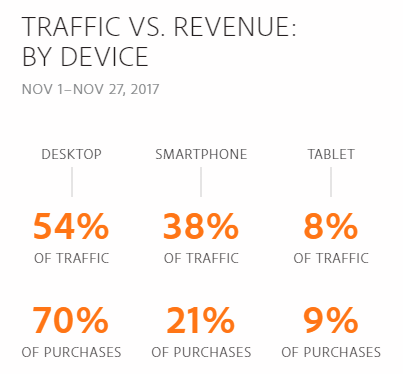
Mobile Traffic and Sales Statistics - Black Friday 2017 Cyber Monday 2017

The continued rapid growth of smartphone use is undeniably impacting retail sales. Similar to how e-commerce is the growth engine of overall retail, mobile sales are powering e-commerce.

The rising tide is driving much of that growth. Mobile traffic from smartphones and tablets peaked on Black Friday and Small Business Saturday (56% of traffic). Then leveled out to 46% of traffic, almost equivalent to desktop traffic (54%), through Cyber Monday 2017, according to Adobe Digital Insights.

However, the mobile shopping experience is a challenge for retailers. Smartphones and tablets earned a lower percentage of overall sales (30% versus 70% for desktop) and lower conversion rates through Cyber Monday.

Retailers can close more sales with mobile shoppers by continuing to improve their mobile customer experience. Shoppers now find mobile as an easy way to check emails (hopefully your emails), find store locations and hours, get product information, snap and share photos, and compare prices.

Optimizing mobile product discovery and mobile payments are the biggest opportunities for retailers to improve the mobile customer experience.

2. Personalized Merchandising with Artificial Intelligence

Customers want a personalized shopping experience. Sales people help shoppers in the store. Now application of artificial intelligence are helping online stores create a similar personal customer experience.

Online stores have massive amounts of behavioral and transactional data now. The challenge is to harness that data to power real-time merchandising decisions.

That’s where artificial intelligence excels.

Fifty-four percent of e-commerce sites have already implemented or plan to add AI in the future, according research from the Q3 2017 E-commerce Performance Indicators and Confidence Report. And 20% expect to add AI within the next 12 months.

The top application is personalized product recommendations. Eighteen percent of online retailers report they are already using artificial intelligence in their product recommendations strategies. But that number will swell dramatically in 2018 with 38% planning to implement within the next 12 months.
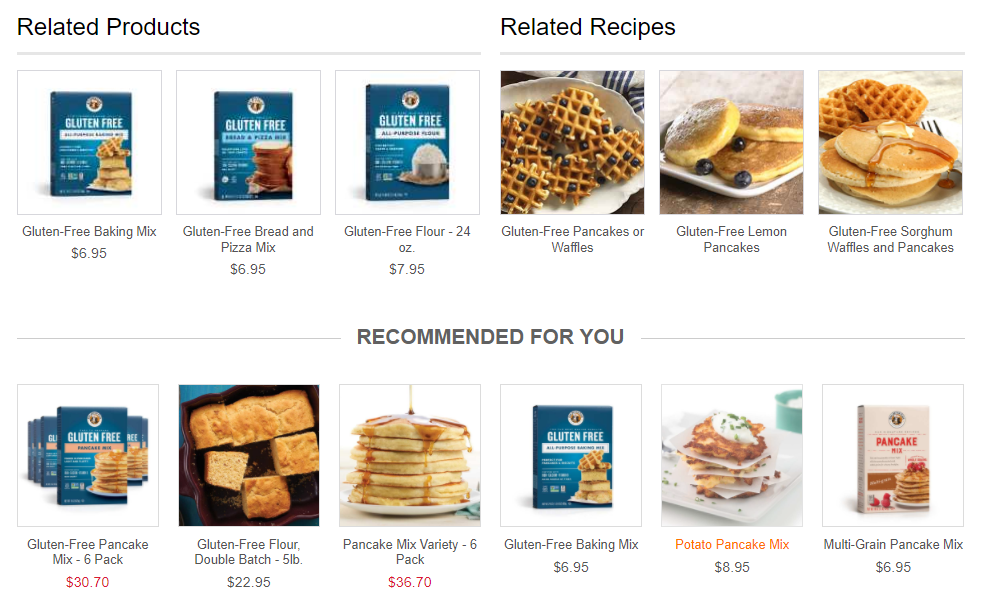
Personalized Product Recommendations Engine - King Arthur Flour

Artificial intelligence can parse user activity, preferences, and sales trends. The result is smart and timely product recommendations that are personal. For example, this type of contextual personalization can be tuned to gender, clothing size, brand preference, or shopper’s location.

Even better for online retailers, this personalization can be experienced by first-time visitors just as well as returning shoppers. So the shopper does not have to take any additional actions to receive the customer experience benefits.

3. Always on Customer Service with Chatbots

Chatbots were introduced as a new technology on the horizon for retailers in our 2017 e-commerce trend webinar. In 2018, chatbots are a must-have element of your online customer experience.

Ecommerce Chatbots - Retail live chat is always on

Think of chatbots like your online version of a sales associate or employee. Except they are always on 24/7/365.

A chatbot is an enhancement from the online chat communication channel. The old chat program still required a human sitting there typing in replies. Those employees had regular shifts. So sometimes customers weren’t getting their questions answered.

Now a chatbot is an always-on program that simulates the conversations your customers have with you. It answers questions, handles specific requests, helps shoppers choose the right product, and executes customer service procedures.

Your customer experience impact is shoppers have better and faster access to what they want when they want it. That’s a huge win. And you win more sales.

Customer adoption, and the resulting better experience and sales, is the biggest reason why chatbots are growing in e-commerce. Additionally two technology drivers are accelerating the deployment of chatbots – smartphones (again) and artificial intelligence (again).

Smartphone use is leading to speaking with a chatbot. Talking is easier than typing. Just say what you need and the chatbot tells you back. Siri, Alexa, and Google Assistant are all voice-enabled chatbots that are quickly growing is use.

Artificial intelligence is helping chatbots be more effective. The chatbot can repeat existing information easily and can be taught to mimic decision-making patterns. But artificial intelligence makes a difference by helping chatbots to actually learn. So your customer experience is continuously improving.

Design Your Customer Experience to Win More Sales

Planning and executing your customer experience strategies is a process of continuous improvement. Deeply understanding your customer’s journey sets you on the right path.

Take advantage of the key trends and technologies. Then test your innovations, measure, and optimize for the satisfaction of your customers and for the results that matter to you.

Ultimately, you can achieve what creative executive Loie Maxwell calls “designed serendipity”. Orchestrate the experiences that produce a customer journey that gives them a winning feeling. Your customers will love it. And you will win more sales.

Is Your Customer Experience Leaking Sales?

Most businesses are leaking online sales in at least 7 critical elements of their customer experience.

The Customer Experience Scorecard grades your e-commerce site using a 42-point checklist proven to increase sales, including:

  • Quickly finding products shoppers are most likely to buy
  • Personalized product recommendations
  • Mobile path to purchase

Want to find your leaks? Find out your quick-win opportunities to take your conversion rates to the next level.


Harness the Power of Mobile for Higher Holiday Sales

Posted by Amy LindseyNovember 1, 2016eCommerce, Merchandising, Mobile, Mobile/Tablets, Navigation, Personalization, Recommendations, Uncategorized

Portrait of a girl shopping online.

Evidence from 2015 suggests that record-breaking numbers of holiday shoppers will make their 2016 purchases online. (Click here to Master 2015 Holiday Trends to Clinch 2016 Holiday Sales.)

Trends show a steady shift from the majority of online purchases being made from a desktop to more purchases being made on mobile devices. While computers still brought the highest average transaction size at $114 (over $89 for tablet and $70 for smartphone), for six of the days leading up to Christmas last year, traffic from smartphones surpassed that of desktops.

Savvy online retailers are preparing to harness the “runaway power of mobile” (NRF) to close more sales than ever during the holiday 2016 buying season.

Here are four strategies to optimize the mobile experience and drive higher sales this holiday and beyond.

Drive Conversions with Interactive Content

Four times as many consumers would now rather watch a video about a product than read about it (NRF). Further, one in four consumers will lose interest in a company if it doesn’t have video. This is great news for retailers who want to capitalize on the rise of mobile for holiday shoppers. Since mobile users are turned off by lengthy text, videos create a clean and attractive design that enhances the user experience. Videos and other interactive content, such as blogs and reviews, can be embedded right into the search results to increase the likelihood that busy holiday shoppers will convert.

Create a Personalized Search and Navigation Experience

Personalization is the next big thing. Customers are increasingly coming to expect a personalized online shopping experience. Nowhere is personalization more important than mobile sites. With long lists of family and friends to buy for and limited time to do it, mobile shoppers this season will want relevant products served up fast, which is a challenge for retailers, given the limited real estate of small screens.

Mobile search and navigation results will win higher conversions when they are automatically fine-tuned on critical facets personal to each shopper, such as gender or size. (See how SLI Systems is personalizing the entire shopping experience.)

Help Searchers Find Your Site

While mobile has yet to surpass desktop for actual purchases, the majority of search is now mobile. Fifty-six percent of searches that resulted in a click to a top retail site during November and December 2015 were conducted on either a smartphone or tablet (NRF).

Mobile users, even more than desktop users, are unlikely to scroll through the first couple of results. While you may not be able to compete with Amazon or other giant online retailers’ rankings for the most commonly used search terms, you can win by capturing long-tail search terms from your shoppers and using them to create dedicated landing pages that are crawlable by search engines. Then, when searchers type those long-tail terms into Google, your landing page will pop right up where mobile shoppers are likely to click.

Use Creative Omnichannel Strategies:

The retail store is not dead. It remains a mecca of holiday spending. Innovative retailers are using the capabilities of mobile to enhance the in-store experience, and vice versa.

To be successful, go beyond what shoppers expect (such as seeing in-store availability for products they see online) and delight them with the unexpected. Offer Wi-Fi during the holidays to make it easier for shoppers to make comparisons and read ratings and reviews on their smartphones. Allow mobile shoppers to set up in-store appointments for services (great for busy holiday shoppers). Or take it another leap forward to create a virtual shopping experience as described in the Forbes article: Virtual Reality Coming Soon to a Clothing Store Near You.

Harnessing the power of mobile for higher holiday sales is all about tailoring the entire shopping experience, from search to purchase, to the wishes of your shoppers. After all, happy holiday shoppers purchase more, and that will make your days merry and bright!


SLI Buyer Engine – The Heart of a Powerful E-commerce Suite

Posted by Chris Brennan, Chief Executive OfficerAugust 31, 2016About us, eCommerce, Merchandising, Mobile, Navigation, Recommendations, Rich Auto Complete, SEO, Site Search, SLI Buyer Engine, Uncategorized

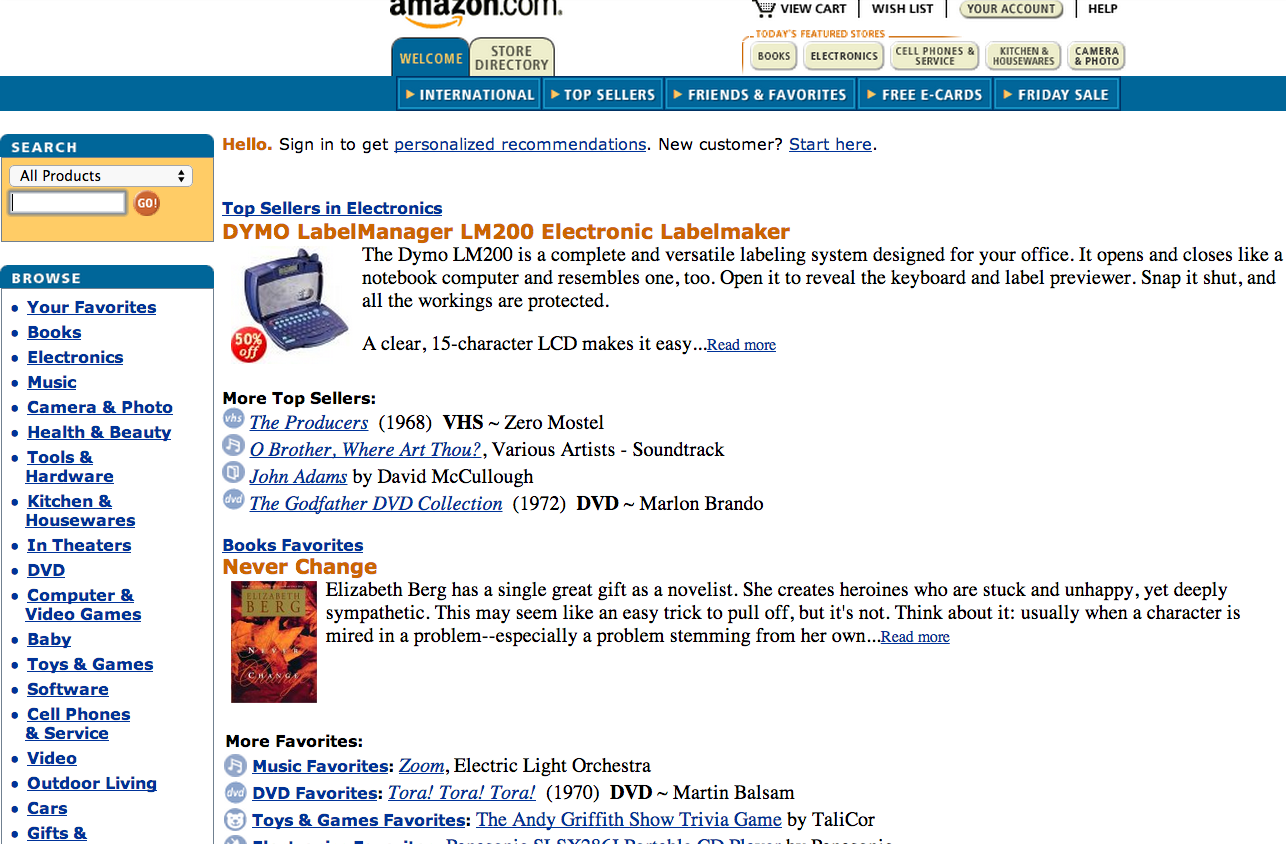
BuyerEngineI have a confession. For more than a decade, SLI has been far too modest about our e-commerce innovations. Perhaps our engineering team has garnered so many patents that they haven’t stopped to reflect. It hit me when we learned of the latest SLI patent related to our auto complete algorithm. We began applying for site search technology patents back when Amazon’s home page was about as intuitive as a bibliography and relevancy wasn’t even a thought.
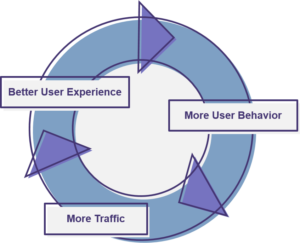
The fact is, SLI is a global team of e-commerce innovators and expert consultants with unparalleled experience. Since 2001, our team has pioneered apps designed to generate more traffic, convert shoppers into buyers, and maximize orders for B2B and B2C e-commerce leaders worldwide – whether selling 500 or 500,000 products, whether in English, Arabic or 18 other languages, or whether specializing in high fashion or high tech.

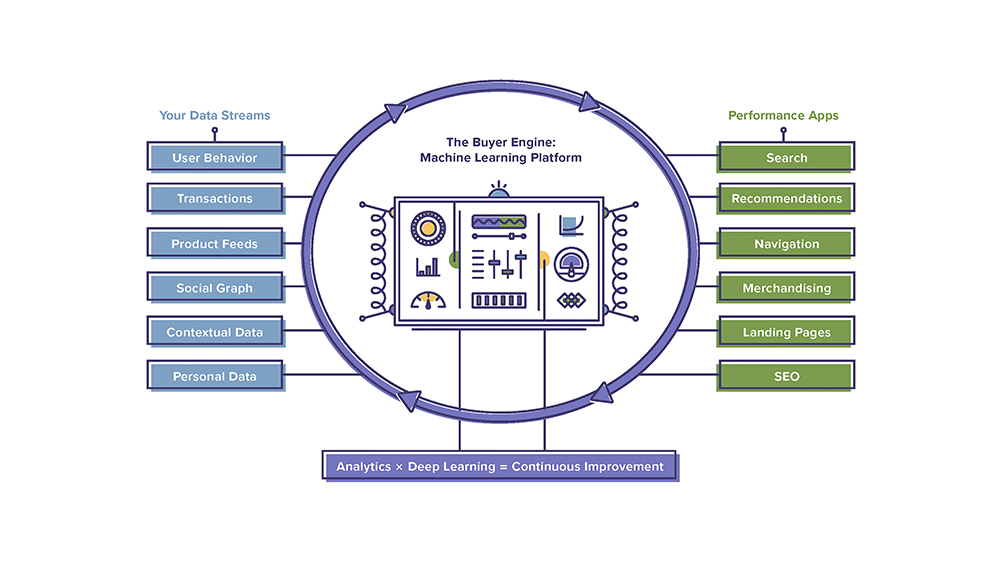
At the epicenter of SLI’s flexible and powerful e-commerce suite is machine learning technology, which – until today – remained nameless. The SLI Buyer Engine™ is a cloud-based, machine-learning platform that powers all SLI apps and answers the single most important question: “What is your shopper most likely to buy right now?”  

This means our customers’ bespoke search, navigation, recommendations, mobile experience, merchandising tools and user-generated SEO apps are driven by the same patented technology that makes really smart use of big data in real time.

Machine Learning in Action – A Virtuous Cycle

SLI Buyer Engine Virtuous Circle coreOur Buyer Engine continuously learns to improve the performance of all SLI apps and make their results more relevant, whether a shopper is a new user or frequent customer. It can consume in real time a vast array of data streams today, as well as those to come tomorrow.

  • Behavioral data (what someone is clicking on and not clicking on)
  • Transactional data (what someone is buying)
  • Product data
  • Non-product data (blogs, reviews, articles, videos, etc.)
  • Social data (including the shoppers own social graph, and what they have been up to)
  • Contextual data (where are they, local weather, device type being used)
  • Third-party data (e.g. FICO scores)

This is where big data meets personalization. The SLI Buyer Engine drives personalized shopping experiences for first-time visitors and loyal customers. It continuously learns from user behavior, improving the performance of all SLI apps over time by making their results more relevant. By accurately predicting which products to present shoppers through their buying journey, the Engine shortens the path to purchase and makes it easy to delight customers and increase revenues.

Performance-Driven Commerce

Gartner’s 2016 Hype Cycle for Emerging Technologies puts machine learning at the cycle peak, noting that “This Hype Cycle specifically focuses on the set of technologies that is showing promise in delivering a high degree of competitive advantage over the next five to 10 years.”

A recent InformationWeek article explains that machine learning is often used to make predictions through improving search results, anticipating movie or product selections, anticipating customer purchasing behavior, or even predicting new types of hacking techniques.

SLI provides clients with competitive advantage and clear results by addressing most of these use cases today. Search is indeed high-value. Our customers see 2.7x greater conversion rate when site visitors use search and those using the SLI Learning Recommendations™ app, which provides contextually relevant product suggestions while increasing upsell and cross-sell opportunities, see 5-15% average uplift in conversions.

So while the automotive industry awaits self-driving cars, companies in the retail sector that are using SLI machine learning technology are already seeing business impact.

Performance-driven commerce will remain the mission for SLI Systems as we strive to continuously deliver the most relevant solutions for customers, and the most relevant results to their buyers. We will continue to invest in machine learning and big data in order to support other emerging technologies that may be applied to e-commerce, such as conversational commerce, augmented or virtual reality, etc. This will help ensure clients are able to provide the best possible and most relevant experience within new shopping paradigms as well. And at the heart of incrementally better e-commerce performance will be the SLI Buyer Engine.

To learn more about results that B2B and B2C e-commerce companies have achieved with the SLI Buyer Engine, download the report detailing how 40 Retailers Have Transformed Their Online Business Using SLI.

Hook “Spearfisher” Shoppers for E-commerce Success

Posted by Shaun RyanApril 20, 2016Mobile, Site Search Tips

spearfisherAt SLI, we’ve always known that shoppers who search are the most valuable. Why? Because these shoppers tell you what they want to buy which gives you a fantastic opportunity.

According to the recent Forrester Research report “Must-Have eCommerce Features,” it’s critical that retailers support “spearfishers” – or shoppers who already have a specific product or brand in mind (versus those aimlessly browsing).

To achieve this, Forrester suggests casting one’s hook with easy-to-use site search, including autocomplete, and clear categories to support spearfishers who want to find, buy and move on. Additional research upholds Forrester’s findings as:

  • 8 seconds is the average time visitors spend before deciding whether or not to remain on a site (MarketingSherpa)
  • 43 percent of visitors immediately go to the search box (MarketingSherpa) and searchers are 2-3x more likely to convert than non-searchers
  • 50 percent of users prefer to use a site’s internal search engine, as opposed to navigating the site (E-Commerce Times)

It’s clear that many online shoppers are spearfishers, which is why it is important for retailers to quickly serve up the products they are looking for.

Top Tips to Hook Spearfishers with Smart Site Search

Here are our top tips to help you provide your most focused shoppers with a satisfying search experience that leads to improved conversions and sales:

Autocomplete with Graphics – Type Less, Buy More

WineA critical feature for speed in site search is the ability to show product results with images from the first letter a searcher types. It gives shoppers one-click access to products they want to buy, reducing the number of clicks from search to purchase.

For even better guidance, also show search suggestions based on category, brand or department to let shoppers quickly jump to the right section of results. For example, a search for wine at Fortnum & Mason immediately shows popular choices and categories for wine gifts, wine glasses, wine and cheese, etc.

Moreover, allow users to preview products of interest right within the autocomplete box. For instance, update products displayed when users hover over search suggestions to give them more choices and increase engagement.

Jump Directly to a Results Page When You Know the Answer

Use redirects when you want to take visitors to a particular page on your site, rather than showing search results for a query or class of queries. For example, if there is only one result, it may make sense to take the visitor directly there, rather than showing them the search results page. When visitors type in a specific product or SKU numbers, take them directly to the product page.

Create Landing Pages Related to Specific Keywords

Sports UnlimitedFor some popular search terms, you may want to redirect users to a specific site search page tailored to that search keyword. For example, you may already have landing pages dedicated to particular brands. When visitors search for specific brands, you can send them to the related brand page instead of a generic search results page.

For example, Sports Unlimited serves up a landing page for any Under Armour brand searches. We recommend examining your site search reports to identify the most popular searches. Then consider whether you can provide a better experience by having dedicated landing pages for some searches.

Optimize the Mobile Experience

Speed and ease are especially critical for mobile “spearfisher” shoppers. Ensure your autocomplete helps you capture sales from your small-screen shoppers with dedicated mobile and tablet designs that automatically display options correctly regardless of device size and orientation.

As John Tomich stated in a recent article for Multichannel Merchant, “A successful mobile interaction with your customer is one in which everything is obvious, easy and fast.” He cites that mobile shoppers overwhelmingly prefer social logins for ease of use. Express checkout and easy payment options are as critical here as with any shopping site.

Learn more about supporting “spearfishers” to accelerate your e-commerce sales by reading our Quick Guide to Better Site Search and Rich Auto Complete solution brief.

Win Parent Shoppers with a Baby-Friendly Site

Posted by Christina StublerMarch 9, 2016eCommerce, Mobile, Site Search

What once was considered a niche market is now a booming billion-dollar industry. Savvy parents are ready to spend a pretty penny to give their bundles of joy the best start in life. Despite declining birth rates in many countries, the global baby care market is growing at a CAGR of 7% and is expected to reach $66.8 billion by 2017, according to Transparency Research (2014).

surfstitchYou don’t have to have a dedicated site for baby products to win these valuable customers. Many health and pharmacy retailers are catering more to the “parent and baby” demographic. Even lifestyle and outdoor retailers are adding infant and toddler items to their product offerings.

Here are a few ways that any online retailer with baby or toddler products can gain a greater share of parents’ and grandparents’ spending.

Focus on Mobile

Browsing the Internet with both hands free is considered a luxury for new parents. Swaying back and forth with a tiny infant in arms and a smartphone in hand is a much more common scene. Consider your site new-parent ready if the desperately sleep deprived can find what they are looking for while only using their thumbs. You’ll want to enhance the real estate of smaller screens while delivering relevant results with speed.

bodenIn addition, think about how best to streamline the purchase process for mobile shoppers. The fewer clicks, the better. Make sure shoppers have the option to save payment and shipping information so they only have to enter it once.

Make the Experience Highly Personal

A few months make a world of difference when it comes to what a baby needs and what parents want to buy. For example, moms and dads of newborns are searching for the perfect swaddle while parents of 6-month-olds are introducing solid foods and encouraging their babies to sit on their own.

When parents sign up to receive emails, gather the dates of birth, sex and names of their children. Tailor email campaigns and curate landing pages with products that match the baby’s age and each exciting developmental stage. In other words, send emails specific to celebrating a baby’s first birthday when the child turns 1, but avoid cluttering up your customers’ inboxes with irrelevant messages about newborns when their baby is already a toddler.

Your clickthrough rate on emails will be higher when parents know you are giving them valuable information specific to their kids. Also, keep in mind that parents will open a majority of those emails on a smartphone or tablet, so make sure both the email and the landing pages are tailored for the mobile experience.

Is it a Binky, Paci, Dummy, Soother or Comforter?

Does your site speak Baby? The pacifier alone has more than 100 pet names. Learning your customers’ language means they will more likely find the products they had in mind. Alternatively, ignoring synonyms, misspellings and popular pet names could lead to search queries ending in a “no results” page by mistake.

In-Store or Curbside Pick Up

Out of diapers and wipes? Need a humidifier for baby’s first cold? Sometimes even overnight delivery isn’t fast enough. If you are a retailer with brick-and-mortar locations, consider allowing customers to complete their purchases online and pick up products the same day at the store. Or even better, deliver their orders curbside to their cars. This will save parents time and keep them from having to wake a sleeping baby.

Chemist Direct Mother & Baby ExampleCater to Moms

Babies aren’t the only ones who need special care. Retailers can gain brand loyalty before the little one even arrives by helping moms-to-be navigate fertility issues, morning sickness, stretch marks and postpartum preparation. These categories are often labeled “conception,” “pregnancy” and “maternity.”

For more tips on delivering an exceptional online shopping experience that will win over parents and grandparents shopping for baby and toddler items, take a look at our E-commerce Baby Boom industry brief.

A Spending Miracle

Posted by Christina StublerDecember 30, 2015eCommerce, Mobile, Ratings and Reviews

Like a good little elf, I started Christmas shopping in October. But despite my weekly purchases all the way through Super Saturday and Sunday, retail sales were reportedly sluggish throughout the holiday season.

People noticed that the malls weren’t quite as manic on Black Friday. Maybe because “Black Friday” deals stretched into early November or perhaps because significantly more people were shopping online.

Like many, my holiday shopping included a combination of in-store and online purchases, gifts for others and items for myself. I shopped with my phone in hand, often checking both prices and reviews when I was in a store or late-night browsing before bed.

Without a sleigh of my own and with family scattered across the country, the convenience of buying online and shipping directly to recipients provided an added bonus of skipping the lines at the post office to mail presents.

Yet, hours before the clock struck Christmas, there was strong doubt that retailers would hit the 3.7% rise forecasted by the National Retail Federation for in-store and online sales.

On Christmas Eve, Reuters reported “U.S. retailers at risk of missing modest holiday sales goals.”

Santa must have needed some last-minute gifts because the numbers reported this week – with Christmas Day behind us – reveal a sort of spending miracle (and proof that I wasn’t the only one shopping).

“Holiday spending is up, and online shopping was a winner,” declared the Boston Globe.

Retail sales were up 7.9% – more than double what was expected – according to data released by MasterCard SpendingPulse, which does not reveal dollars spent.

Not surprising, online retailers ended up on the Nice List with a 20% surge in sales compared to the same Black-Friday-to-Christmas-Eve timeframe as last year, according to the SpendingPulse report.

It seems Santa likes the convenience of online shopping, too.

For the latest in e-commerce news, trends and best practices, explore the SLI Knowledge Base.

How Catalogs Can Succeed in an Omnichannel World

Posted by Dawn MortensenNovember 12, 2015eCommerce, Merchandising, Mobile, Site Search, Site Search Tips

SLI Systems BlogRight after Halloween, the catalogs started arriving as usual for the time of year – Frontgate, Lego, Learning Express, Uncommon Goods, Crate & Barrel, Tinyprints and many, many more.

Each holiday shopping season, I find myself initially surprised at why retailers continue to send catalogs when more people are buying online instead. But then, as my kids start to flip through the catalogs to build their wish lists and I find myself earmarking pages over breakfast, I see why catalogs still work: Even though fewer people today will pick up the phone to make a catalog order, these colorful, glossy merchandising tools catch our attention in our homes, when we’re not intentionally thinking about shopping, and they drive us to the online or retail stores where we’ll make a purchase.

In this multi-channel (and increasingly omnichannel) world, there’s no reason for retailers to give up one form of merchandising that works, even if the actual purchase point for the customer changes. There are, however, many reasons to make sure that your different merchandising channels are working well together.

Here are a few tips for making sure that your catalogs are effective in driving shoppers toward a final purchase:

Know what actions you’re driving customers toward. Is your catalog a purchasing vehicle, an advertisement or both? Do you want people to have the option to place a phone order? If so, then the usual catalog best practices apply (a customer code on the back, a toll-free number on each page, clear color choices, item numbers, etc.). Or are you simply using your catalog to drive people to your online or brick-and-mortar store?

Each year I see more “catalogs” that promote products without providing a way to actually shop from the catalog. Learning Express doesn’t list item numbers or a toll-free number because they don’t offer shopping by phone; their catalog is simply a driver to their stores and web site.

Think about what will make shoppers buy from you versus a competitor. Special offers and promotions can make a big difference in whether your catalog encourages shoppers to go to your site or to a competitor’s site to complete a purchase, especially for products that are available through multiple vendors.

I have three learning-toy catalogs in a pile by my computer, each from a different retailer and each containing products that are available in at least one of the other catalogs. When I go to make my online purchases, I’m going to buy from the store that has advertised an offer I can’t refuse. If the offer is not compelling enough, I’ll just skip all three stores that sent me catalogs and buy the item from my favorite local-based online toy retailer.

Make sure shoppers can quickly find catalog items on your site. Once your catalog has done its job of making a shopper want an item that they carry, you’d better make sure that shopper can easily find the item in your online store. Don’t overlook the importance of having top-quality site search: if you don’t show the most relevant items first, whether the customer searches by item number, item name or a descriptive name, you’re not going to make the sale. Features like Rich Auto Complete™, faceted refinements and smart mobile navigation are now expected.

Remember that shoppers often go to their computers or tablets to finalize a purchase because of the speed and convenience of buying the item online rather than making a phone call. Other shoppers will use your catalog or web site to browse before walking into a store to try something on. But all shoppers need to easily find the products they’re looking for on their computers, phones and tablets. If you don’t make your products easy for them to find anytime and anywhere, then you’re not going to succeed in an omnichannel world.

Aim for Holiday Merchandising Perfection

Posted by Dawn MortensenOctober 23, 2015eCommerce, Merchandising, Mobile, Webinar

There’s a great deal of science behind online retail, especially this time of year. Holiday shopping projections and results are measured by every retail organization and publication from August through February. Smart retailers analyze these numbers to create merchandising strategies that maximize their conversions.

webinar brontoAt SLI Connect last month, Jim Davidson, Head of Research at Bronto Software, shared his latest findings on what retailers believe shoppers want versus what consumers actually expect for the 2015 holiday season. Following are a few interesting points from his presentation, “Creating Holiday Perfection Online,” which he will share in an SLI webinar next week.

Highest Converting Holiday Promotions
Bronto surveyed retailers and shoppers to learn which holiday promotion messages work best for online buyers versus in-store buyers. One of the discoveries was that 38% of shoppers will not buy if free shipping isn’t offered.

Mobile Shoppers: Browsing or Buying?
We know there’s an increasing trend toward using smartphones or tablets to shop online. However, because some retailers are slow to make their sites mobile-friendly, many mobile shoppers still turn to their desktops or go to a store to make the purchase. Bronto found that 22% of shoppers plan to actually make a purchase on their smartphone this holiday.

Even with holiday merchandising in full swing, there are plenty of digital promotions yet to be executed and much fine tuning to be done in the next two months of 2015. Listening to the retail analysts, along with optimizing your site search and mobile search, can help you achieve perfection.

Learn more by registering for the webinar “Creating Holiday Perfection Online” on Tuesday, October 27, at 11:00 a.m. PDT.

Infographic: 6 Mobile Merchandising Tips for the Holidays

Posted by Dawn MortensenSeptember 16, 2015eCommerce, Infographic, Merchandising, Mobile, Mobile/Tablets, Press, Site Search Tips

mobile merchandising tips holiday 2015


This latest infographic by SLI Systems was also published in Multichannel Merchant on September 10.

After Mobilegeddon, Focus on Site Search for Mobile-Friendliness

Posted by Shaun RyanApril 30, 2015eCommerce, Mobile, Mobile/Tablets, SEO, Site Search

Mobile commerce is exploding! The majority of traffic to e-commerce stores is coming from mobile devices (Shopify 2014) and mobile commerce is growing three times faster than overall e-commerce. In its “Spotlight on Modern Retail 2015,” NRF found that during the first three quarters of 2014, retailers reported their mobile sales grew a whopping 87 percent!

Well aware of the growing mobile masses, on April 21st Google expanded its mobile-friendliness ranking signal to reward mobile-friendly sites with higher search rankings and demote those that fail its test. (a.k.a. “mobilegeddon,”). While the full results are still to be seen, action by many online retailers is still needed. To guide developers, the search giant also provided them with the top things to know when building a site for mobile devices. Here’s how e-commerce site search fits in and can help contribute to your mobile success.

outline-steps#1: Make It Easy

Google’s #1 recommendation for building a mobile-friendly site is: Make It Easy For Customers. Heavily contributing to the ‘mobile-friendly’ signal is whether or not visitors, after landing on a mobile page, can easily complete the tasks they want to accomplish by solely using the mobile site. For instance, when visitors using smartphones search for new running shoes on Sports Authority, the company’s mobile-friendly site helps them easily find and buy the shoes they want, which in turn will now help Sports Authority fare better in Google smartphone rankings.

Mobile-optimized site search helps retailers connect shoppers with the products they’re seeking, making it easy for mobile visitors to find, research and/or complete a purchase (their main objective). Given mobile’s space and speed challenges, the search box is the best gateway to finding products and content on mobile sites. That in turn has a big impact on engagement metrics such as conversion rates, bounce rates, average time on site, average pages requested per session and more, which affects its ‘mobile-friendly’ signal and mobile search ranking.

Helping site visitors easily complete their objectives now has a direct impact on mobile search rankings, making good site search more important than ever before.

#2: Measure Effectiveness

Google’s second recommendation for building a mobile-friendly site is: Measure The Effectiveness Of Your Site. Optimized site search is a vital part of delivering a satisfying shopping experience to mobile users as it helps visitors quickly and easily engage with the site – often increasing conversion rates and average order values, and lowering bounce rates. Leading e-commerce companies, including international cosmetics brand e.l.f. Cosmetics and specialty retailer WebUndies.com, have experienced impressive measured results with mobile-optimized site search.

Lesley Klein, director of e-commerce at e.l.f. Cosmetics, reported: “Conversion for mobile visitors using site search is four times the rate vs. mobile users who don’t use search. With 30% of our online traffic coming from mobile devices, we’re providing a seamless shopping experience no matter how or where people come to e.l.f.”

Terri Hunsinger, co-owner at WebUndies.com, found: “Mobile site search has been very effective in bringing 2,500 products to the forefront for customers who are trying to search on small devices where it can be difficult to see our broad product selection. People are spending more time and more money and are more engaged because of the accurate search results they are seeing.”

As with sites like e.l.f. and WebUndies.com, optimized mobile sites make it easy for customers to shop. Whether Mobilegeddon ends up significantly impacting SEO or not, your optimized mobile search will strongly contribute to better online shopping experiences and conversions.


Load More

Stay up to date with SLI

Featured Posts

  • Maximize Revenue with Enhanced Product Impact Testing
  • Top Five Ways to Prepare for Peak Season
  • Facets, Facets, Who’s Got the Facets?
  • Personalization: It’s Kind of a Big Deal
  • M is the New E: Mobile Commerce Trends and Predictions

Categories

About SLI Systems

  • What We Do
  • Who We Are
  • Why SLI

Learn

  • Webinars
  • News Room
  • Events

Connect

© Copyright SLI Systems, 2018. All Rights Reserved | US: (866) 240-2812 | Legal