SLI home
User login

A BLOG FOR E-COMMERCE LEADERS

  • Blog
  • Resources
  • Webinars
  • Customer Experience Scorecard

SLI Blog

Posts with conversions Tag

Magento Extensions – The 13 Best Magento Plugins to Increase Sales
Posted by Bob AngusJanuary 24, 2018Customer Experience, eCommerce, Resources, SEO, Site Search, Social Media, Testing, User Experience

Best Magento Extensions - Magento Marketplace

You’ve got the core functionality in place on your Magento store. Now you need to enhance your site to increase sales and optimize your customer experience. That’s where Magento extensions help.

But there are thousands of Magento extensions to choose from in the Magento Marketplace. You can easily spend too much time figuring out what’s the right extension across different business needs.

Here’s a helpful guide that gets you right to the best Magento extensions designed specifically to drive more online sales.

How to Find the Best Magento Extension for You

The Magento Marketplace makes it easy to browse and filter the many extensions. However, evaluating which extension is right for you can still be daunting.

It’s not as simple as looking at ratings. Even the most popular plugins typically only have a few reviews.

And just going with free extensions may not be the best way to save money.

Here are few criteria you can consider when choosing a Magento extension.

Free Extensions vs. Paid Extensions

It’s easy to jump toward a free extension. But most free extensions also require a subscription to that service. Calculate your total cost before choosing a solution, including the expense for the time it takes your developer to integrate and maintain that extension. Sometimes the higher priced solution up front is actually less expensive in the long run.

Look for Great Support

Help save your development time by choosing extensions that have excellent installation documentation and user guides. Better yet, check out their support information on the vendor’s website. Evaluate how responsive and helpful they are before making the purchase. That extra contact can help you avoid getting stuck later on.

Recent and Regular Updates

Magento is constantly improving as e-commerce continues to evolve. Your extension provider should be too. Partner with vendors that are committed to the Magento community. Look for extensions with recent or regular updates for new Magento releases and for additional features and bug fixes.

Now let’s look at the detailed list of Magento extensions that can help increase your sales.

Best Magento Extensions – The 2018 List

Winning more sales requires enhancements to each step of the customer experience:

  • Drive more traffic to your store
  • Increase conversion rates
  • Accelerate purchase with fast and easy checkout

We’ve curated a list of 13 top Magento extensions that can help you increase sales in 2018.

Let’s get started with the critical need to bring shoppers to your e-commerce site.

Drive More Traffic

More traffic means more shoppers. More shoppers lead to more sales. It’s that simple.

The challenge is winning shoppers who are ready to buy against competitors hungry for the same customers.

The following Magento extensions give you an edge and help drive more and better traffic to your store.

MageWorx SEO Suite UltimateSEO magento extension - mageworx seo suite ultimate
Magento helps your search engine optimization techniques with core functionality that Google and other search engines want.

The platform gives you the basics, like clean HTML, meta tags, simple URL structure, and automatic XML sitemap generator. These capabilities make your website easy to crawl. However, you’ll need to do more and at scale to win hyper-competitive search ranking.

Many extensions address a single element of good SEO. We recommend a single extension containing an entire SEO suite to really increase your organic search traffic.

MageWorx SEO Suite Ultimate is an all-in-one SEO toolkit that manages a wide array of onpage SEO features that includes:

  • identifying duplicate content
  • enhanced site indexing
  • canonical URLs
  • optimized meta data
  • auto-generated XML sitemaps
  • cross linking
  • SEO redirects
  • advanced rich snippets

Price: $299 for Community edition, $599 for Enterprise edition

Learn more about MageWorx SEO Suite Ultimate

Remarketing with adaploremarketing magento extension - adaplo

Remarketing is a proven advertising tactic to increase sales by bringing previous visitors back to your store. Product remarketing ads are displayed on Facebook and Google Display Network (GDN) that match what your shoppers have already viewed.

The challenge is automating your remarketing ads across all your visitors and for all your product SKUs. adaplo makes automated retargeting easier.

adaplo creates the retargeting campaigns on Facebook and GDN by launching dynamic product history. It can also expand your ads to more audiences and different ad types.

Price: Free, requires an adaplo subscription

Learn more about adaplo

Wyomind Simple Google ShoppingGoogle Shopping Magento Extension - wyomind simple google shopping

This extension is the M2 version of Wyomind’s highly rated Simple Google Shopping. You can easily sync your Magento store’s product feed with Google Shopping.

What sets Simple Google Shopping apart are features that help you synchronize accurately without spending a lot of time, including:

  • Map your product categories to Google categories
  • Schedule tasks to generate your data feed
  • Check that your data feed was generated error free
  • Verify your data feed generation stats (number of items, time and resource)

Price: $80 for Community edition, $120 for Enterprise edition

Learn more about Wyomind Simple Google Shopping

Email Marketing with Brontoemail marketing magento extension - Bronto

Email marketing remains a dominant marketing channel that drives more traffic and sales. Your e-commerce email marketing should be more than broadcasting your sales and discount offers.

That’s why Bronto is the perfect email platform for your Magento store. You can send targeted and personalized emails to your customers and newsletter list.

The Bronto Connector for Magento easily imports purchase information from the Magento platform into Bronto campaign manager. Using that full order history you can curate personalized email and cross-channel marketing campaigns at scale.

Price: Free, requires a Bronto subscription

Learn more about Bronto

AddThis Social Media SharingAddThis social media magento extension

Let your customers spread the word about your products. You get more already-enthusiastic visitors when your current shoppers share on social media.

AddThis is the easiest way to add sidebar share buttons to your Magento store. This social media extension can connect you with over 200 social networks for easy sharing … for free.

Plus, you have control of the style to match your store in both desktop and mobile browsers. And you can pre-populate the message being shared. As a result, your shoppers are more likely to share.

Price: Free

Learn more about AddThis

Increase Conversion Rates with Better Customer Experience

Now that you have help driving more shoppers to your online store, it’s time to turn those shoppers into buyers.

The best way to increase conversion rates is to provide your visitors with a great customer experience.

Customer experience trends show the most successful retailers are executing well at every step in the buying journey.

Here are some Magento extensions that can help you do the same.

Smart Site Search with Learning Search
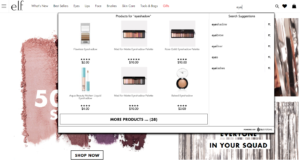
Visual Merchandising Autocomplete E-commerce Site Search - e.l.f. Screenshot

Customers who search for products have higher purchase intent than shoppers who are “just browsing.” You need to make sure you are delivering the search results that those must-win customers are most likely to buy right then. 

Go beyond simple keyword matching from your product feed. With SLI Learning Search, your e-commerce search box becomes an AI-powered tool designed to continuously improve query results and generate more revenue.

Further boost conversion rates with rich autocomplete functionality. Less clicks and browsing is what you want. Display specific product results while adding visual merchandising with appealing product images.

Better yet, you can leverage the same behavioral data to add AI-powered product recommendations to product pages, in your shopping cart, or anywhere on your site. Getting personalized recommendations along with higher converting search results can give you a big advantage over using separate plugins for recommendations and site search.

Price: Free, requires an SLI Systems subscription

Learn more about SLI Learning Search

Social Media Content with Pixlee social media magento extension - Pixlee

Social media content posted by you and shoppers on Instagram, Pinterest, Facebook, and other social channels can really improve engagement. In turn, that more personal social proof increases conversion rates.

Pixlee helps you identify and curate user-generated content so that you can display beautiful look books and social image galleries throughout your site. And those images are shoppable to make it easy to click “buy now.”

Pixlee also delivers the advanced social campaign features you’ll want in a single solution, including the ability to:

  • Launch social contests and promote engagement campaigns
  • Publish visual reviews and social posts on product and category pages
  • Personalize emails with relevant social proof
  • Track your social content’s conversion rate and engagement metrics

Price: Free, requires a Pixlee subscription

Learn more about Pixlee

Special Promotions Propromotions magento extension - amasty special promotions pro

Discount offers and promotions are proven to increase transactions. But managing all the different types of offers across all your SKUs can be incredibly time-consuming. Not to mention, ensuring you don’t kill your profits by discounting the wrong products or by displaying expired sales.

Amasty’s Special Promotions Pro extension reduces your headaches with a powerful promotion manager. The extension gives you access to 22 discount and offer rules for cost-effective promotions building in bulk or for individual products.

Additionally, you can automatically create personalized promotions using customer data. The extension builds one-to-one, hyper relevant deals for you using data like order history and birthdays. That level of personalization can really help drive repeat sales from loyal customers.

Price: $129

Learn more about Special Promotions Pro

Amasty A/B Testinga/b testing magento extension - amasty a/b testing
You should always be running experiments to discover the major and minor updates to your Magento store that can maximize sales. Amasty also provides a helpful A/B Testing extension that gives you everything you need.

You can run A/B split test and multivariate tests for particular products or product groups directly from your Magento admin panel. You can customize one or multiple tests at a time based on different goal metrics, products, and “winner” criteria.

What makes this testing extension even nicer for you is that you aren’t required to develop duplicate product pages with each test variation. No extra development time and site bloat helps you focus on improving your customer experience, not coordinating the tests.

Price: $179

Learn more about Amasty A/B Testing

Full Page Cache Warmer by Magewarespage cache magento extension - magewares full page cache warmer

Front-end site elements and promotions get a lot of attention when improving customer experience. But site speed and page performance is also a must-have consideration.

Page caching extensions like Full Page Cache Warmer are the simplest ways and most effective ways to make sure your Magento store loads fast for your visitors. Full Page Cache Warmer automatically crawls your store to find any uncached pages or newer versions of already cached pages.

Then the “warmer” part of this extension kicks in. This extension uses a special technique warms each page as if a real visitor is hitting on that page. The result is faster page deliver when a shopper does actually does land on your site. Pretty slick.

Price: $129 for Community edition, $379 for Enterprise edition

Learn more about Full Page Cache Warmer

Win More Sales with Frictionless Shopping Cart

So far we’ve covered Magento extensions that increase traffic and then help you improve your conversion rates. Now it’s time to focus on the most critical step – ensure your customer completes their purchase with a fast and easy checkout experience.

Smart One Step Checkoutecommerce shopping cart magento extension - aheadworks smart one step checkout

You’ve optimized your online store so that a customer clicks the “Add to Cart” button on your product. Don’t lose the sale by adding extra steps to completing the purchase after they’ve decided to buy.

Customers now expect a single page checkout process that they are familiar with from shopping on other online stores. Give it to them with Smart One Step Checkout.

Smart One Step Checkout offers all the functionality you need in a single extension, including:

  • Mobile responsive design
  • Customer login for one step purchase or guest checkout
  • Edit items in the cart
  • Apply discount codes and gift cards
  • Checkout behavior and abandonment reporting

Price: $299 for Community edition, $1,499 for Enterprise edition

Learn more about Smart One Step Checkout

Subscription And Recurring Paymentecommerce subscription magento extension - magenest subscriptions recurring payments
Subscription models have become a popular way for e-commerce businesses to sell their products. Keeping customers buying from you month-after-month can be incredibly profitable. However, subscription purchases require a different checkout and payment infrastructure.

Aheadwork’s extension adds subscription and recurring payment functionality you need. It can become your primary checkout experience for pure subscription businesses. Or you can create trial subscriptions or automatic product re-order options.

The recurring payments integrate with your merchant services provider. This makes regular billing easy for you and your customer. Plus, it helps reduce payment failures due to credit card expirations or cancellations.

Price: $249

Learn more about Aheadworks Subscription And Recurring Payment

SimiCart Mobile App Buildermobile app magento extension - simicart mobile app builder ios android

Most Magento themes already support mobile responsive design. So shoppers using a mobile browser usually have a good experience. But you may be missing a segment of customers who prefer to shop in your own branded app.

SimiCart helps you build your own iOS and Android mobile app to boost up your business through the Apple App Store or Google Play. SimiCart integrates directly with your Magento store infrastructure so that product feeds, ordering, and fulfillment are all synchronized.

You can then customize your mobile app’s design and features as you wish. Make it look like an app version of your mobile website. Or create a custom app experience with shopping features. You choose.

Price: Free, with SimiCart subscription starting at $49/month

Learn more about SimiCart Mobile App Builder

Magento Extensions that Improve Your Sales

These 13 Magento extensions are designed to increase your sales in different ways – driving more site traffic, improving conversion rates, and accelerating customers through checkout. Make sure to check out these extensions and see how you can take your sales to the next level.

MageWorx SEO Suite Ultimate

adaplo Remarketing

Wyomind Simple Google Shopping

Bronto Email Marketing

AddThis Social Media Sharing

SLI Learning Search

Pixlee Social Media Content

Amasty Special Promotions Pro

Amasty A/B Testing

Magewares Full Page Cache Warmer

Aheadworks Smart One Step Checkout

Magenest Subscription And Recurring Payment

SimiCart Mobile App Builder

Improve E-commerce Conversion Rate with 5 Critical Enhancements

Posted by Bob AngusDecember 13, 2017Customer Experience, eCommerce, Merchandising, Navigation Tips, Personalization, Recommendations, Rich Auto Complete, Site Search Tips, User Experience

Your e-commerce business is full speed ahead. But that’s not good enough. You’ve been tasked with higher and higher growth expectations.

ecommerce sales buy button

And now you have even more at stake. You are likely spending more and more to drive traffic to your site. You can’t let that big investment in advertising fizzle with diminishing ROI.

Good news. You have a high-impact driver you can execute against right now.

Improvement to your conversion rate is the greatest lever at your disposal. Even a small conversion rate increase can generate big revenue gains.

This comprehensive guide to e-commerce conversion rates helps you build a winning game plan for your online store, including:

  • What e-commerce conversion benchmarks to use
  • How to analyze your conversion rate
  • How to optimize 7 critical conversion rate drivers

Let’s start by understanding how you can best measure conversion rate.

What is a good e-commerce conversion rate?

Online retailers track many conversions throughout their customer experience. Any action goal can be considered a conversion. A click on your email, a click on an advertisement, or a newsletter signup are considered conversions.

The conversion metric you really want to focus on is a purchase. Your sale conversion rate is calculated by simply taking the number of purchase transactions and dividing that by the total unique visitors to your online store during a time period.

That’s pretty straightforward. But what is a good conversion rate to set as your target goal?

This 2017 holiday shopping to date, average e-commerce conversion rates are showing growth: desktop 4.5% (up 10.6% YoY), smartphone 2% (up 12.3% YoY), tablet 4.3% (up 9.3% YoY), according to Adobe Digital Insights.

And Amazon boasts an amazing 74% conversion rate for its Prime members and 13% for non-Prime visitors back in 2015, based on a Millward Brown Digital study. In comparison, the same study showed the average conversion rate for Top 500 merchants is 3.32%.

Are those the right conversion rate benchmarks for you? Probably not.

It is interesting to set an aspirational goal against Amazon or other leaders that compete in your industry. However, you are best served by benchmarking where your own store is now. Then set a course for continual improvement to drive conversion optimization goals and strategies.

Measure your overall sales conversion rate for your entire website the past year. That’s your starting point. That’s the number you want to beat in 2018.

Then the key is to drill down into your sales-rate performance for different contributing factors and customer segments. That’s where your actionable insights really happen.

Now let’s explore the best way to analyze your conversions to enlighten your growth plans.

How You Can Analyze Your Conversion Rate

Conversion rate is a very useful metric to track. But the real impact to your e-commerce business is analyzing and understanding what is driving your performance and why.

That deeper conversion analysis helps you:

  • Determine what segments are contributing to your overall conversion rate
  • Identify the root causes
  • Prioritize and track success of your optimization game plan

The first step is to build a dashboard that tracks and trends your conversion rate. Google Analytics and many e-commerce platforms provide a dashboard that lets you see your conversion rate over different periods of time.

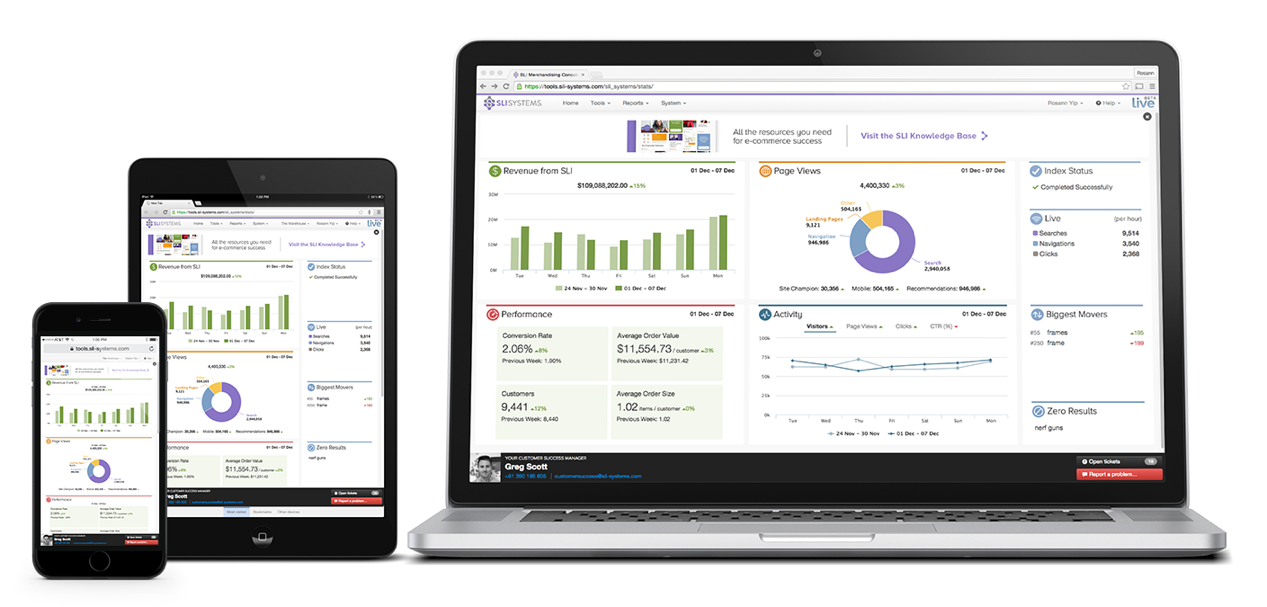
SLI Systems also has a very powerful dashboard built into the Commerce Console. You get an helpful view of your shoppers’ activities and conversion rate through their shopping journey.

Ecommerce conversion rate dashboard - SLI Systems Commerce Console

Or you can simply use a spreadsheet. Capture your monthly unique visitor metrics and plug in your corresponding sales transaction data to calculate your conversion rates. Again, simply divide transactions by unique visitors to get the conversion rate percentage.

Next you’ll start the drill down analysis.

What Is Driving to Your Conversion Rate?

Your overall conversion rate calculation is an average. Many different factors drive that single number. Some factors contribute significantly more than others. It’s your job to break down those key drivers to find growth opportunities.

Start by segmenting your conversion rate data into categories.

The most common way to split up your data is by different customer audiences. Different types of customers have a different relationship with your e-commerce business. They may also have different purchase intent, which directly impacts your conversion rate.

Your analysis can uncover those segments that likely have differing intent to purchase. Then you can calculate the conversion rate for each segment. And you’ll see which audiences have the greatest influence on your overall conversion rate.

Here are several helpful ways to segment your audience.

  • First-time visitors vs. returning visitors – First-time visitors often make up a big majority of online traffic. But it stands to reason that those first-time visitors who may be unfamiliar with your brand are less likely to purchase than returning visitors.
  • Acquisition channel – Where visitors come from can help tell you how likely they are to buy. Segment by channels like organic search, paid search, social media, advertising, and affiliates.
  • Device – The device visitors use may indicate different intent as shown in the Adobe data insights mentioned earlier.
  • Location – Are you a global brand or do you sell domestically? Traffic coming from different international locations may be browsers, not buyers.
  • Other demographics – Google Analytics can help you analyze other demographics like gender, age, or interest affinity groups.

Other popular segmentation you can use to uncover key conversion rate drivers include:

  • Product category – Conversion rates may be higher for different products based on the volume sold, price range, or deliverability. For example, you would expect the online conversion rate to be lower for expensive furniture than easily shipped lower-priced home decor.
  • Promotions and seasons – Different discounting periods or traditional shopping seasons may affect conversion rates.
  • Website elements – You can track conversion rates by different elements of your customer experience.

Make sure you look at your conversion rate over time. Don’t just take a single snapshot in time to make your decisions. A single data point or particular shopping season can skew what you see and may lead you to incorrect decisions.

Calculate your segmented conversion rates into monthly or weekly increments. Go back in time as far as you can. Then you can chart trends and make year-over-year and month-over-month comparisons.

Starting with one segmentation method is also recommended. Add that to your dashboard. Keep tracking that segmented data to see how you are performing. Then expand your analysis to other segment categories.

Your conversion rate analysis helps you find your growth opportunities. But it doesn’t tell you exactly why those different segments are performing the way they are.

Why Is Your Conversion Rate Increasing (or Decreasing)?

Now you can dig a little deeper to understand why your conversion rate is increasing or decreasing. Find the root cause by adding a second dimension to your analysis of a particular segment category.

What is the behavior or characteristic about a given segment that is likely causing sales to go up or down?

The best way to do this is to add one of the other segment categories as that additional dimension. For example, if your primary segmentation is based on acquisition channel, then you can drill down using product category purchased or device used or location demographics.

Analyze that data. Look for trends. Make comparisons.

Maybe your conversion rate was 6% coming from Google Adwords. But the Adwords conversion rate for desktop users was 8% versus 2% for smartphones and 4% for tablets. Now you have an understanding of how the device contributes to that channel’s conversion rate, taking the volume into consideration.

And how did that paid search channel breakdown compare to your other channels? For example, smartphone conversion rate maybe 4% from your emails and 1% from social media.

Identify big shifts and changes. Discover anomalies.

Using the Google Adwords example again, maybe starting in July you see an increase from 5% to 7%. And that higher rate seems to have continued for several months.

Then hypothesize. Ask “why?”

That increase in July may have corresponded with an increase in your PPC bids or budget. Or maybe you launched a new set of keywords for a hot brand. You could hypothesize why the increase happened and continued.

This additional lens into your primary segmentation can uncover the root cause. You are now ready to take action with that data-based knowledge in hand.

How to Prioritize Your Optimization Plan

You are armed with lots of data and valuable analysis. You can now more easily prioritize the action you want to take and build an optimization game plan.

Typically you’ll want to pick one to run every quarter. That single-focus test approach helps you isolate the incremental sales and conversion rate you’ve achieved. You also give enough time to achieve improvements, validate the results with enough traffic, and eliminate most anomalies by running the test for a longer period of time like two or three months.

Which tests should you run first?

It’s always good to start with the test you feel can have the biggest financial impact. Estimate the revenue impacts for all the top activity ideas you have identified. How much would sales increase by each incremental tenth of a percent increase in conversion rate?

Then look at the level of effort and investment cost of running the test. If an activity may have a high-revenue upside while requiring little extra work, then you’ve found a great place to start.

Let’s look at some of the highest conversion boosting opportunities you have.

5 Critical Enhancements for Bigger E-commerce Conversion Rate Optimization

The best conversion rate optimization tests consider the customer experience journey. Understand the different interactions from the first moment a shopper lands on your website, through finding and choosing a product, and all the way to checkout and completing the purchase.

You make many different enhancements to your online customer experience. Here are five design improvements proven to increase conversion rates:

autocomplete site search to increase ecommerce conversion rate

1. Win More High-Purchase Intent Shoppers

Arguably one of the best ways to increase your conversion rate is to win more sales from visitors who already have a high intent to purchase. So how do you know that someone comes to your site with the intention of buying?

Shoppers signal their intent when they use your site search.

SLI studies have found visitors that use search buy at a 2.7x greater rate than visitors who just browse.

Make the act of searching even easier by enticing those visitors who have a specific purchase in mind.

Position your search box in the header and in the center of every page. Provide an engaging prompt to search in the search field. And make the box large and distinctive from other forms. Don’t tuck the search box into the corner or hide it behind a magnifying glass icon that searchers have to click.

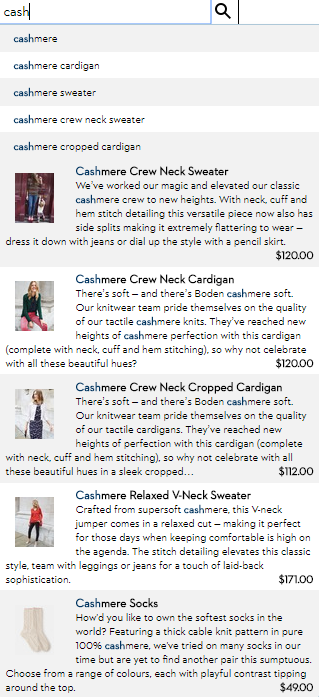
Speed up the search by suggesting possible terms as visitors start typing the first letters of a keyword. This autocomplete functionality draws from your product feed to indicate that productive search results are available. Better yet, you can rank the autocomplete terms by the most popular keywords by clickthrough and purchase data, not just keyword matching.

Pro Tip: Enhance your autocomplete feature by presenting specific products in the search suggestions. Display the product name, image, and price for the most relevant products. Boden speeds up the purchase process doing just that.

This enhanced functionality helps your visitors identify products they are looking for even more quickly. Then send them directly to the product page. Skip the extra category page browsing. Bypass the search results page. Get high-purchase intent shoppers directly to a product.

2. Wow Visitors with Visual Merchandising

The key elements of a product landing page are designed to showcase the product so that customers can easily make a purchase decision – product title, descriptions, specs, purchase options, ratings, reviews, and, of course, pricing and discounts.

This product feed information gives shopper the facts. However, we humans actually make purchase decisions emotionally much of the time. Shoppers love the wow factor. That’s where online visual merchandising excels.

e.l.f Cosmetics shows off their eye shadow products with beautiful images and attractive videos from Instagram. These social media images inspire shoppers. Better yet, many of the pictures are user-generated content from customers.

ecommerce visual merchandising with instagram - e.l.f. Cosmetics

Similarly, fashion sites often display extra images since shoppers can’t actually hold the item in their hands. Visual merchandising best practices, like model videos, product pictures from many angles, and custom images that change with color selection, can help drive more sales.

Pro-Tip: Help customers visualize what their experience will be after they make the purchase. Show action shots and product videos that depict how the product is used, what the buyer gets in the box, or how to install it.

3. Merchandising that “You May Also Like”

The top job of merchandising is to promote the products a visitor is most likely to buy. One of the best online merchandising techniques is to use a “You May Also Like” product recommendation strategy on the product page.

Showing alternative products that are similar to the product being viewed is proven to increase conversion rates.

Unfortunately, many e-commerce sites determine the recommended products using simple category and keyword matching. This approach focuses on the product feed data only.

Fortunately, online stores have massive amounts of behavioral and transactional data in addition to product feed data. “You May Also Like” product recommendations that include actual customer behavior are more likely to convert.

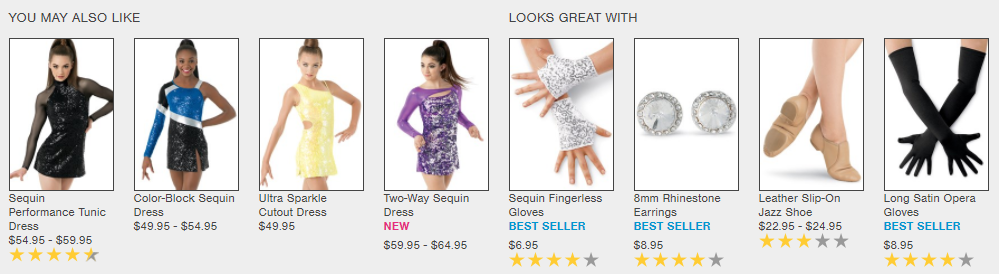
For example, Dancewear Solutions recommends several contemporary dance dresses on a product page. It also merchandises complementary products that go with the dresses based on what customers had made purchases in the past.

ecommerce product recommendations engine - Dancewear Solutions

Pro Tip: Customers love a personalized shopping experience. In-store salespeople give a personal touch to help customers get exactly what they want. Now artificial intelligence is helping online stores create a similar personal customer experience.

E-commerce personalization uses machine learning to sift through massive amounts of behavioral data to quickly provide smart product recommendations. Contextual personalization can display products that customers are even more likely to buy based on gender, size, brand preference, or the shopper’s location.

4. Help Shoppers Get What They Want Faster

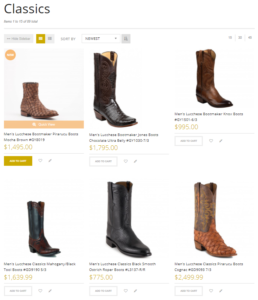
ecommerce merchandising category page buy now button - Allen's Boots

Smart e-commerce companies create as few steps as possible to get to checkout. Customers are more likely to complete their purchase when you allow visitors to add products to shopping carts or go to checkout directly wherever they are on your site.

Don’t limit the use of “Add to Cart” or “Buy Now” buttons to your product pages. Anywhere you merchandise products, even your homepage, is an opportunity for customers to commit to purchasing without an extra click to the product page.

Pro Tip: Include “Add to Cart” button directly in the your category pages and search results pages. That’s what Allens Boots did. This quick enhancement helps speed the conversion, particularly if your customer knows exactly what they want.

5. Eliminate Rational Roadblocks with Content

Don’t rely solely on the product description provided by the manufacturer to influence a buyer. Inform your customers about what a product can do. Offer how-to articles, demo videos, and comparisons against other similar products.

Content has a strong influence on e-commerce conversions both rationally and emotionally. How-to content helps remove rational doubts or questions that make shoppers hesitate. Video content in particular also has an emotional trigger for sales as customers can visualize themselves using the product.

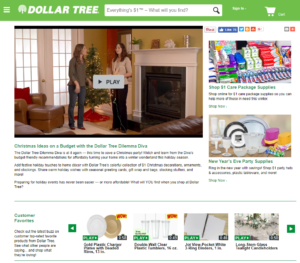
Dollar Tree uses videos to show shoppers curated product ideas and demo top-rated customer favorites.

video merchandising for ecommerce - Dollar Tree

Pro-Tip: Include a set of Frequently Asked Questions (FAQs) on the product product. Ask your customer service team for questions that they get about the product. Review common reasons for returns. Think of questions you would have if you were going to pay your own hard-earned money. Then create a strong set of FAQs written in the language that customers use.

There are hundreds more conversion-rate tips that you can test. Make sure to download these best practice e-books to find new ways you can improve your conversion rates:

  • Get the SEO-Driven Revenue You’re Missing

  • The Big Book of Site Search Tips

  • Use Creative Content to Convince Online Shoppers to Buy

  • The Big Book of Navigation Tips

Image Credit: Wikimedia Commons


Retail Executive Brief: Customer Experience Trends for 2018

Posted by Bob AngusNovember 30, 2017Analytics, Artificial Intelligence, Customer Experience, E-commerce Research, eCommerce, Merchandising, Mobile, Mobile/Tablets, Personalization, Reporting and Analytics, User Experience

Customer Experience - Convert Buyers with a Great Customer Experience

The pressure is on for retail businesses to deliver on big sales growth expectations. That’s in the face of slow consumer spending growth combined with the tectonic shift in traditional retail channels.

You need to turn more shoppers into buyers. You can’t afford for your investment to bring more shoppers in the door or onto your e-commerce store that leave with an empty cart.

That’s why optimizing your customer experience is more important than ever.

This retail executive brief helps you better understand:

  • How customer experience strategies are evolving
  • What customer experience metrics to track and analyze
  • How to improve your customer experience using top trends in 2018

Let’s first dig into how customer experience is changing.

What is Customer Experience Today?

In the past, customer experience strategies focused on the discrete interactions shoppers had in the sales process. These touchpoints took on even greater importance with online retail channels simply because it was easier to track and optimize each webpage leading up to a sale.

However, this touchpoint-focused approach to improving customer experience can easily miss one critical element… the customer journey.

The journey is the customer experience.

The overall journey can still disappoint customers, even if your online store design, in-store layout and staffing are executed well on individual touchpoints.

Understand the customer journey in your shoppers’ terms. Customer journeys include many things that happen before, during, and after the actual purchase experience.

The journeys can be quite long, though the purchase decision can be extremely fast. Consider the multiple channels, devices, and, yes, direct interactions that may occur over days or even weeks.

Put yourself in their shoes. You buy products for yourself all the time. Think about your entire experience and why you made a purchase or didn’t.

Ask questions like:

  • Where and when did you first learn about a store?
  • What was your first impression of the brand?
  • What triggered you going in the store or to the website?
  • How easy was it to find what you wanted?
  • How did you feel about the product price and value? Product quality? Selection for you?
  • How did you feel about the shopping environment in-store or online?
  • What sales help, customer service or employee interactions did you have?
  • How did the purchase transaction go? Was it fast and easy?
  • How did you get your product? Was shipping fast? Did you need to exchange or return?

Always be asking how you can improve that journey.

Next you need to figure out if you’re on the right path to improvement.

Customer Experience Measurements for Success

How do you know you are improving your customer experience? You’ll want to look at the numbers.

It’s very tempting to dive right into the weeds. Retailers now have so many powerful analytics tools. And data collection is getting easier.

However, direct contribution to macro financial metrics and sales trends can be difficult. Remember, your customer experience is a holistic journey. So your best customer experience metrics are more macro. They are not necessarily analyzing and optimizing discrete touchpoints.

Start by measuring key customer experience outcomes, customer feedback, and employee feedback.

Financial Metrics

The most common outcome metrics are financial. Let’s assume you are already tracking total revenue, profit, and transaction volume. Great financial indicators of your customer experience is Revenue per Customer and Average Transaction Value.

Make sure to also track Revenue per Visit (RPV) for your online channel or if you are a pure e-commerce business. This metric estimates the incremental value of each visitor to your online store. Simply divide your total online revenue by the total number of unique visitors to your website.

Customer Satisfaction

You also need to measure your Net Promoter Score (NPS) to capture how customers feel about you. NPS is a fantastic customer satisfaction metric to track over time. Customer experience and customer satisfaction are closely correlated.

But the most actionable customer experience metric in your NPS comes from the answer to the follow-up question – “Why did you give that rating?”

Categorizing the results of this open-ended “Why” question helps you measure the impact on different factors in the customer journey in your customers’ terms. For example, you may group results by broad areas like customer service, products, or pricing. Or you can go more granular into the touchpoints like checkout experience, shipping, or return policies.

Learn more by further breaking down your NPS by customer segments. You can segment by geography, gender or age demographics, order revenue, or purchase frequency or recency.

Employee Satisfaction

Lastly, you should also measure your Employee NPS. Employee satisfaction is also highly correlated with customer experience. Happier employees lead to better customer experiences.

After all, your employees are most responsible for delivering a great customer experience. All your employees contribute. Even someone behind the scenes in HR, the warehouse, or web development have an impact that trickles into the experience.

Here again, look closely at the “why” to measure and track the drivers that influence your employees’ feelings. Those feelings result in behaviors and actions that directly and indirectly impact your customer experience. Listen to what they say and recommend.

Track these financial and satisfaction metrics consistently. That’s how you will know your customer experience is on the right path.They are your “North Star” numbers.

Once you’ve established those customer experience measurements, you can then go deeper into specific success metrics for operational improvement initiatives. Use Google Analytics and e-commerce platform results for your online channel.

Now let’s look at the latest trends you can leverage to boost your customer experience metrics and sales.

3 Technology Trends that Help You Improve Your Customer Experience in 2018

Retailers continue to leverage technology to improve customer experiences. Much of the change comes from consumer technology use as a pulling factor. For the first time ever, more people say they plan to shop online (59%) than in big box stores during the 2017 holiday season, according to the NRF.

Here are three technology trends that help brands connect better with customers and improve their overall customer experience.

1. Rapid Growth of Mobile Shopping

Mobile Traffic and Sales Statistics - Black Friday 2017 Cyber Monday 2017

The continued rapid growth of smartphone use is undeniably impacting retail sales. Similar to how e-commerce is the growth engine of overall retail, mobile sales are powering e-commerce.

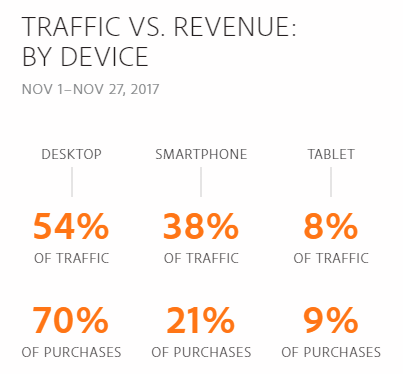
The rising tide is driving much of that growth. Mobile traffic from smartphones and tablets peaked on Black Friday and Small Business Saturday (56% of traffic). Then leveled out to 46% of traffic, almost equivalent to desktop traffic (54%), through Cyber Monday 2017, according to Adobe Digital Insights.

However, the mobile shopping experience is a challenge for retailers. Smartphones and tablets earned a lower percentage of overall sales (30% versus 70% for desktop) and lower conversion rates through Cyber Monday.

Retailers can close more sales with mobile shoppers by continuing to improve their mobile customer experience. Shoppers now find mobile as an easy way to check emails (hopefully your emails), find store locations and hours, get product information, snap and share photos, and compare prices.

Optimizing mobile product discovery and mobile payments are the biggest opportunities for retailers to improve the mobile customer experience.

2. Personalized Merchandising with Artificial Intelligence

Customers want a personalized shopping experience. Sales people help shoppers in the store. Now application of artificial intelligence are helping online stores create a similar personal customer experience.

Online stores have massive amounts of behavioral and transactional data now. The challenge is to harness that data to power real-time merchandising decisions.

That’s where artificial intelligence excels.

Fifty-four percent of e-commerce sites have already implemented or plan to add AI in the future, according research from the Q3 2017 E-commerce Performance Indicators and Confidence Report. And 20% expect to add AI within the next 12 months.

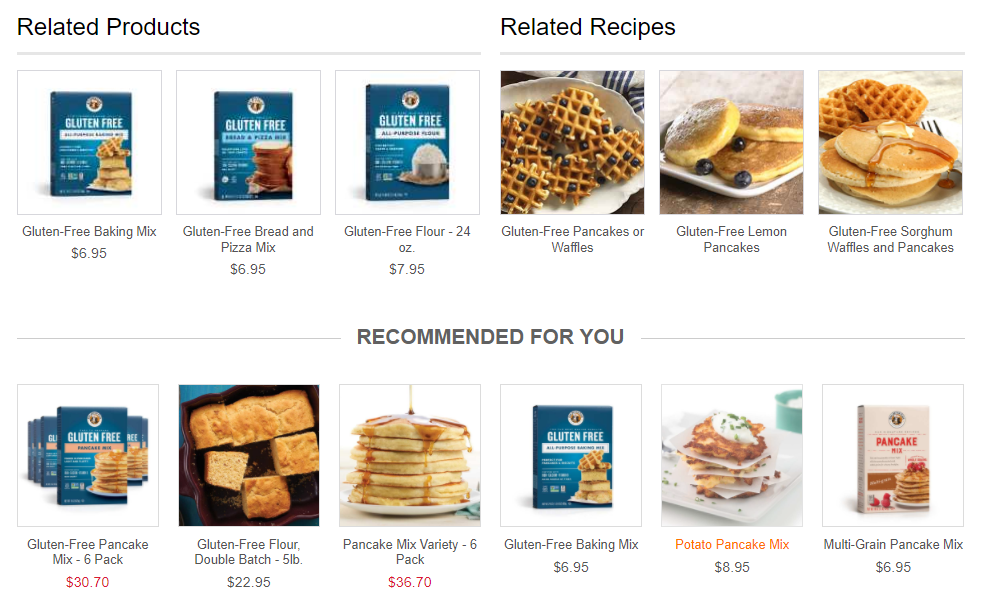
The top application is personalized product recommendations. Eighteen percent of online retailers report they are already using artificial intelligence in their product recommendations strategies. But that number will swell dramatically in 2018 with 38% planning to implement within the next 12 months.

Personalized Product Recommendations Engine - King Arthur Flour

Artificial intelligence can parse user activity, preferences, and sales trends. The result is smart and timely product recommendations that are personal. For example, this type of contextual personalization can be tuned to gender, clothing size, brand preference, or shopper’s location.

Even better for online retailers, this personalization can be experienced by first-time visitors just as well as returning shoppers. So the shopper does not have to take any additional actions to receive the customer experience benefits.

3. Always on Customer Service with Chatbots

Chatbots were introduced as a new technology on the horizon for retailers in our 2017 e-commerce trend webinar. In 2018, chatbots are a must-have element of your online customer experience.

Ecommerce Chatbots - Retail live chat is always on

Think of chatbots like your online version of a sales associate or employee. Except they are always on 24/7/365.

A chatbot is an enhancement from the online chat communication channel. The old chat program still required a human sitting there typing in replies. Those employees had regular shifts. So sometimes customers weren’t getting their questions answered.

Now a chatbot is an always-on program that simulates the conversations your customers have with you. It answers questions, handles specific requests, helps shoppers choose the right product, and executes customer service procedures.

Your customer experience impact is shoppers have better and faster access to what they want when they want it. That’s a huge win. And you win more sales.

Customer adoption, and the resulting better experience and sales, is the biggest reason why chatbots are growing in e-commerce. Additionally two technology drivers are accelerating the deployment of chatbots – smartphones (again) and artificial intelligence (again).

Smartphone use is leading to speaking with a chatbot. Talking is easier than typing. Just say what you need and the chatbot tells you back. Siri, Alexa, and Google Assistant are all voice-enabled chatbots that are quickly growing is use.

Artificial intelligence is helping chatbots be more effective. The chatbot can repeat existing information easily and can be taught to mimic decision-making patterns. But artificial intelligence makes a difference by helping chatbots to actually learn. So your customer experience is continuously improving.

Design Your Customer Experience to Win More Sales

Planning and executing your customer experience strategies is a process of continuous improvement. Deeply understanding your customer’s journey sets you on the right path.

Take advantage of the key trends and technologies. Then test your innovations, measure, and optimize for the satisfaction of your customers and for the results that matter to you.

Ultimately, you can achieve what creative executive Loie Maxwell calls “designed serendipity”. Orchestrate the experiences that produce a customer journey that gives them a winning feeling. Your customers will love it. And you will win more sales.

Is Your Customer Experience Leaking Sales?

Most businesses are leaking online sales in at least 7 critical elements of their customer experience.

The Customer Experience Scorecard grades your e-commerce site using a 42-point checklist proven to increase sales, including:

  • Quickly finding products shoppers are most likely to buy
  • Personalized product recommendations
  • Mobile path to purchase

Want to find your leaks? Find out your quick-win opportunities to take your conversion rates to the next level.

How Connection Links to Conversion: Converting the Shoppers of Today Into the Buyers of the Future Requires a New Twist

Posted by Loie MaxwellNovember 7, 2017Artificial Intelligence, Customer Experience, Uncategorized, User Experience

Artificial intelligence was once an aberration found in the most sinister of sci-fi novels and cinema – how could you ever forget Hal? Today, AI is a part of our everyday lives and even invisible to most of us. There is big business in what many believe is predictive selling, targeting of buyers vs. shoppers, and the elevation of customer service. The ultimate in service is knowing what your customer needs before they do. Being at the forefront of this technology is the core principal of designed serendipity. Orchestrating experiences for your customer that predicts their wants and needs not only relieves stress and effort, but can give them a sense of good fortune. That winning feeling and rush consumers feel with a bargain or added perk is very sticky.

Sure this technology can almost seem spooky to some people, but the ubiquitous evolution of customer experience will nullify the fear and highlight the benefits. Already a generation of millennial consumers expect the ‘magic’ facet of designed serendipity to occur day to day. Why wouldn’t an e-tailer know exactly what I need when I need it? Predictive selling and service has become the absolute norm, what will be next to surprise and delight?

Planning for the future of consumer expectations requires innovative thought and above and beyond creativity.

Where will your shoppers be next? What will be driving their conversion? How will you capture their hearts and wallets? In the coming 2-5 years you will be challenged to read the crystal ball in an ever changing convergence of commerce, technology and entertainment. So what next? Invest and deploy the facets of designed serendipity where you can win. Applying the framework (a new twist, shared connection, magic, jackpot and give/get love) will help bring focus and heighten creativity. Shared connection through unique experiences and high perceived value is critical.

Get to know your audience not only as consumers of goods but as consumers of media.

An authentic ability to connect requires robust knowledge of the psyche of your most valuable consumers. What are their fundamental needs and how can you help them find solutions not only through product offerings but through original content that they value, share and anticipate. How can they get the maximum benefit from their purchase? Provide continuous learning and the latest advancements in your category. Educate them on trends and where to find them. Offer complementary lifestyle experiences in travel, beauty, fashion, cuisine, wine, decor. Even if your product is a finite tool or service, build confidence in their buying decision by sharing your brand story and why you make the difference in the causes you support, the labor you use, fair trade sourcing and new advancements in technology.

Investing in the development of a media pipeline and how to maintain one is key.

You cannot feed the content beast enough. Only a few years ago social media was taking hold. The employers I witnessed who jumped in, redirected their budgets and invested in the necessary talent to execute on this growing need are winning today. They took the risk and learned quickly. They are now the leaders in the social space. Today, the opportunity is for companies to employ content creators and strategist who can shape the conversation about the brand with your customers. Producers, writers, directors will be common place in organizations and may not report into marketing. They may be an entity unto themselves as this won’t be marketing, this will be growing connection and conversion. You must “give love to get love” and customers who are in love with your brand is good for business. There may be a “Chief Content and Conversion Officer” in the future.

In light of all the change, the focus on messaging value and deals won’t quietly go away. Loyalty programs and value propositions will be more robust and engaging through original content and advancements in technology. Your most valuable customers will be stickier if you know how to connect the dots between value, connection and service. While every brand has varying needs, the “jackpot, magic and connection” ecosystem must be built or you may be caught off-guard. Investing now in technology and talent should be on the agenda of every 2018 planning meeting and by 2019 you will either see the glowing results or be prepared to know exactly how to pivot. Exciting times require courageous actions.

For more from Loie Maxwell on how to create magic for your customers, check out the on-demand webinar, Designed Serendipity: Win Over Your Customers With a Little Luck.

From Blog to Buy: Content That Converts

Posted by Dawn MortensenAugust 20, 2014eCommerce, Site Search, Site Search Tips, Social Media, Success Stories

It’s no secret here at SLI that we are arming online retailers with the e-commerce tools they need in the battle against Amazon – and creative content is proving to be a valuable weapon of choice. Many savvy e-commerce retailers use content (videos, blogs, social posts, etc.) to draw shoppers and turn browsers into buyers.

Target is a great example. Target’s e-commerce site now allows shoppers to buy items directly from its blog, A Bullseye View. All a shopper has to do is click a red box (“shop this look”) that hovers over the image of the desired product. Instantly, a box pops up with the item ready to be added to the consumer’s shopping cart.

TargetTarget’s new catchphrase? “Buy the products you want from the content you love.”

Creative content is driving sales in a way that it never has before. Converting shoppers into buyers directly on a compelling blog post is what all retailers strive for with their content. While a blog is a pretty traditional form of content, here are two great examples of SLI customers using non-traditional forms of content to ease the shoppers’ path-to-purchase:

1. King Arthur Flour Shares Recipes

Retailer of specialty flours and baking tools King Arthur Flour combines aspects of its community and knowledge base into its site, providing a wealth of searchable recipes, videos and blogs from expert bakers. Visitors can find enticing recipes with high ratings, see that they have been Pinned to Pinterest 1,000+ times, or read reviews from other users who have made those dishes themselves. Since customers can click a link in the recipe to buy ingredients they need from King Arthur Flour, it’s a seamless path-to-purchase for those eager to try the recipe.

Since working with SLI Systems to integrate this recipe content into its e-commerce search (versus its previous use of Endeca), King Arthur Flour has seen its conversion rate jump from 3.7% to nearly 6%.

If you’re an online retailer that sells any kind of food or kitchen product, you’ll want to offer recipes to showcase your expertise and the value of your products. When you create links from your recipes to the products or ingredients needed to complete the recipes, you’ll see the increase in sales.

FTD Infographic2. FTD Gets Graphic

Online flower delivery retailer FTD uses infographics to drive visitors to its site and help generate sales. When the brand created an infographic using interesting stats about Mother’s Day, it was a nice visual article showing that 76% of moms polled would choose flowers as their gift. It was a popular infographic to share on Facebook, Twitter and Pinterest as millions of sons and daughters considered what to give their moms for Mother’s Day. The infographic not only provided the insight and incentive for buying flowers for mom, but it also linked straight to the FTD site, offering easy access to purchase that Mother’s Day bouquet.

Infographics combine visual appeal with condensed information, making them perfect for grabbing people’s attention and giving them content quickly. They are also nice for the skimmers out there – those of us who are short on time or attention span. Finally, infographics are easy to share. Whether on social media or blogs, infographics are just the kind of content thought leaders love to re-post.

To learn more about how e-commerce sites can increase conversions by creating remarkable content, watch a recorded webinar on this subject or download our free e-book, Use Creative Content to Turn Online Shoppers into Buyers.

Results Pour In As Zachys Improves E-Commerce Experience

Posted by SLI SystemsMay 8, 2014eCommerce, Success Stories, User Experience

Do you have a favorite online store where you shop for specialty items and always find something that fulfills your desires? For lovers of high-end wine and spirits, Zachys Wine & Liquor is a popular destination. Because Zachys’ customers largely know what they’re looking for when they visit the site, they don’t spend lots of time browsing different pages and products. As Zachys’ E-commerce Director Victor Castro explained, customers tend to search, find what they want, and purchase — 1, 2, 3 — which also means if they don’t see something that grabs their interest right away, they’re gone.

Zachys knows the importance of delivering site search results that are right in line with shoppers’ expectations, which is why the company turned to SLI Systems not long ago. Since implementing SLI Learning Search, Zachys has seen 33% more visitors use the search box, and conversion rates and per-visit values for search users are twice those of non-search users.

zachys RAC for blogZachys also uses SLI Rich Auto Complete and learning-based navigation pages to boost those results, and now sees Rich Auto Complete results producing a 10x higher conversion rate than the site average.

For long-tail search terms that tend to have higher conversion value, Castro’s team uses SLI Site Champion to create dynamic SEO-optimized landing pages. The optimized landing pages get higher rankings in Google and Bing, which drives more high-converting traffic to the site. Another key to Zachys’ online success is the use of extensive refinement options in search results, along with merchandising banners for popular terms.

If you want to learn more about Zachys’ e-commerce success using SLI, read the Chain Store Age article or the press release. And if you need to put in place a strategy for generating higher revenue from search and navigation, similar to what Zachys has done, feel free to reach out to us at discovery@sli-systems.com.

Boden, LED Hut and SwimShop Talk ROI at Internet Retailing Expo

Posted by SLI SystemsMarch 27, 2014Conferences, Search Conferences, Success Stories

This week at the Internet Retailing Expo in Birmingham, England, thousands of e-commerce retailers are attending presentations, browsing the exhibit hall and taking part in workshops to connect with peers and gain insight into how they can improve their business in a multichannel ecosystem. Among the 60 retail speakers at the event are several SLI customers.

MarkSmearPrezIRX14In a presentation on the topic of connecting shoppers to the products they’re most likely to buy, Keith Scott of LED Hut and Mark Sear of SwimShop spoke to an over-filled room about the results they’ve seen using SLI Learning Search technology and other SLI e-commerce acceleration solutions. LED Hut is the UK’s largest retailer of LED lighting products, while SwimShop is the Swim Specialist for Sports Direct, the UK’s largest sports retailer.


Here are a few comments from their presentations:

  • “SLI is giving us an estimated 400% to 500% ROI.” – Mark Sear, SwimShop
  • “My recommendation: I would implement SLI.” – Mark Sear, SwimShop
  • “Keyword suggestions with images and descriptions help our customers find what they’re searching for.” – Keith Scott, LED Hut
  • “The technology learns from visitor behavior to deliver the most relevant products.” – Keith Scott, LED Hut
  • “We use SLI search to examine the customer journey and improve the user experience.” – Keith Scott, LED Hut

In a separate presentation, Boden E-commerce Manager Paul Knutton presented a session on best practices for offering your e-commerce site across multiple countries and languages. Also speaking to a standing-room-only crowd, Knutton provided examples and metrics on how SLI Systems has helped with Boden’s international reach. His comments included:

  • “What SLI does particularly well is make sense of non-English languages.”
  • “Our search users convert at 1.77x the rate of non-search users and spend 2x more than what non-search users spend.”

To read more about how Boden, LED Hut and other leading companies around the globe use SLI to increase their profitability, take a look at our case studies.

If you’re at IRX today, stop by to see us on the show floor or in the Top 500 Lounge. Otherwise, keep an eye on our Events page to see where SLI will be in the coming months.

Kidrobot Makes More MUNNY with Social Content in its Search

Posted by Dawn MortensenMarch 18, 2014Site Search, Social Media, Success Stories, User Experience

Kidrobot is one of those brands that people love to Like – it’s common for a single Kidrobot post to receive more than 1,000 Likes on Instagram, YouTube, Facebook or Twitter. moustache_labbitAs the retailer’s popularity has expanded for its mustache-sporting Labbits, paint-it-yourself MUNNYs and other popular art toys, so has the company’s need to connect its online shoppers with its wealth of social media and blog content.

Such rich non-product content can be the catalyst that transforms a browser to a buyer – or drives up order values.

Case in point: While researching Kidrobot for this blog, I searched the company’s site for Yummy brand toys and enjoyed looking at Yummy’s plush pizza, hot chocolate and ice cream sandwich… but it wasn’t until I clicked on the Instagram tab and saw the adorable photos of these stuffed toys that I experienced the overwhelming need to own more than one Yummy plush of my own (#truth – I now own nine).

Kidrobot_YUMMY_screenshot_17Mar14Six months ago, Kidrobot did not yet have this valuable social media content available on the site’s product pages. A fan searching Kidrobot for Marvel MUNNY toys would not have learned from the search results that Kidrobot also has Marvel Labbits, or that Marvel Labbit artist Frank Kozik would be signing products at certain Kidrobot store locations. In fact, six months ago it was challenging for shoppers even to find the products they wanted on Kidrobot.com.

“We give our products unique names, and it used to be that if you didn’t get the spelling correct for an on-site search, you wouldn’t find the product you were looking for,” Kelsey Vendetti, Kidrobot e-commerce & digital marketing manager, said in a case study and press release published today. “Visitors would search for something as simple as a t-shirt and get one result when in fact we offer over 20 t-shirt styles.”

To resolve these challenges and others, Kidrobot turned to SLI Systems. We made their products easily findable with technology that produces the most relevant search results, and we brought in the social, blog and video content that could help shoppers decide to buy. We also increased their site traffic through our Site Champion SEO solution.

The results tell the rest of the story: a 13% increase in orders, a 4x increase in conversions for visitors using the search box and a very happy customer.

“From the capabilities of their technology to the helpfulness of their support, the whole package of working with SLI is a huge improvement from what we had before,” Vendetti said.

Take a closer look at this and other SLI customer success stories by browsing our case studies.

Do Your Search Results Pages Drive Customers to Buy or Bounce?

Posted by Kemberly GongMarch 13, 2014Site Search, Site Search Tips

Search results pages are usually the place where online shoppers convert or leave. If your search really works and shows visitors the products they’re looking for, you’ll strengthen loyalty from those shoppers – or, if your search delivers a jumble of results that have nothing to do with the search terms used, it’s likely that shoppers will make a quick exit.

Search results pages need a little TLC so they can do the best possible job of showing off as many relevant products as possible, while allowing customers to adjust their view of results according to how they want to browse and shop. Here are a few tips to make sure your search results pages lead shoppers to buy, rather than bounce.

Create a consistent look and feel: Search results pages should not look dramatically different from the rest of your online storefront. It’s important to reinforce your brand in every element of your site, especially on the pages where visitors are making a purchase decision. Your results pages should mirror the look and feel of your overall website, brick-and-mortar stores and social channels. When all of these elements are properly coordinated, they create a positive brand experience.

Keep the search term in the search box: It is good practice to leave search terms in the search box, even when visitors are already viewing results. They may realize that they should add more descriptive words to their search terms or correct spelling errors. Some might want a reminder of what they just searched for. Whatever the reason, it’s helpful and saves time if visitors don’t have to retype their search terms.

Show a breadcrumb trail: A breadcrumb trail displays the search term and any refinements that the visitor applied to search results. It helps visitors understand where they are and how they arrived at the current page. It also makes it easy to remove search refinements and go back to a wider range of results. Breadcrumbs take up very little space on the webpage, but they can go a long way toward helping visitors navigate through search results.

There’s much more you can do to make search pages easy for visitors to browse, including allowing visitors to select the number of results they want to see on a page, or adding infinite scrolling so that visitors never have to click on a new page to see more results. For these tips and over a hundred more, download a free copy of the 2014 edition of the Big Book of Site Search Tips.

King Arthur Flour’s Recipe for Rising Revenue

Posted by Dawn MortensenDecember 18, 2013eCommerce, Success Stories

What percentage of your online revenue is driven by your site’s search function? Is it anywhere near 50%? If attributing half your sales to search sounds crazy, consider the testimony of one of SLI Systems’ customers, King Arthur Flour.

“Search has jumped from 17% of our revenue to almost 50% of our revenue,” said Jeff Wilcox, eCommerce Producer for King Arthur Flour, who cites results from working with SLI in this new 30-second video.

Headquartered in Vermont, King Arthur Flour is the oldest flour company in America and the number-one seller of whole wheat flour in America. Although most would not consider five-pound bags of flour to be the ideal item to purchase online, the company has turned KingArthurFlour.com into an incredibly popular site for bakers – both amateur and professional – to share recipes and purchase baking products.

The wealth of knowledge on King Arthur Flour’s website flows from the company’s commitment to developing a vibrant community around their products’ users. Their Norwich, Vermont headquarters has become a destination for cooks and connoisseurs with its retail store, state-of-the-art bakery, and a Baking Education Center that holds courses for bakers of all levels.

Part of the genius of King Arthur Flour’s success is their ability to combine aspects of their rich community and knowledge base into their eCommerce site. With SLI Systems’ help, King Arthur Flour has made it easy for site users to search from thousands of enticing recipes, then read reviews, shop for ingredients and link to related videos or blogs.

In my first search on the site, I typed “gluten free pie crust” into the search box and found a recipe that’s rated five stars and has been pinned to Pinterest more than 1,000 times. The site offers the kind of start-to-finish help that gives me confidence that I’m not going to screw up the pie; just one simple search, and I have the recipe, the ingredients I can purchase right from their site, cooking tips from the experts, and reviews from 59 people who have tried it. This is the kind of user experience that creates serious fans. And now I’m one of them.

King Arthur Flour Gluten Free Pie CrustThere’s advanced technology that goes in to making the search and user experience this successful – and you can read more about it in a previous blog from King Arthur Flour’s Customer Success Manager at SLI. But what shoppers see is what I found – an easy search that delivered relevant and accurate results, along with valuable content that created confidence in my decision to buy the ingredients. There will be gluten free pumpkin pie at my house for Christmas!

In both baking and business, the secret to success is often in the ingredients. Just as King Arthur Flour’s quality ingredients help ensure their customers’ baking success, the SLI Systems technology that powers their online community and store ensures visitors find and buy exactly what they need.

“SLI has very intuitive tools,” said Wilcox. “They implement new features quite often, so as they become available to us we consider implementing them immediately. We know that it’s easy to do and the results are very good.”

No wonder King Arthur Flour has increased its conversion rates from 3.7% to almost 6%, and has grown its search-based revenue to nearly 50% of its business. They make it seem as easy as pie.

Load More

Stay up to date with SLI

Featured Posts

  • Maximize Revenue with Enhanced Product Impact Testing
  • Top Five Ways to Prepare for Peak Season
  • Facets, Facets, Who’s Got the Facets?
  • Personalization: It’s Kind of a Big Deal
  • M is the New E: Mobile Commerce Trends and Predictions

Categories

About SLI Systems

  • What We Do
  • Who We Are
  • Why SLI

Learn

  • Webinars
  • News Room
  • Events

Connect

© Copyright SLI Systems, 2018. All Rights Reserved | US: (866) 240-2812 | Legal