Personalize Mobile Search to Boost Sales (6 Tips)
RetailDive Editor Jason Ankeny recently defined site search rather poetically, saying:
“Search boxes — models of design simplicity comprising nothing more than a text input field and submit button (and, sometimes, a magnifying glass icon for flair) — are fixtures of virtually every content-rich website, enabling consumers to pinpoint anything and everything they’re seeking in a matter of keystrokes.”
Quick translation: Smart site search shows shoppers exactly what they want before they even finish typing their search phrase. Great site search can also boost conversion rate and revenue by 19 percent or more.
But here’s the catch – even with mobile sales on track to surpass a record $123 billion this year, 35% of consumers are still generally dissatisfied with mobile site search and 38% complain they receive worse search results when shopping on their mobile device (RichRelevance). Given today’s widespread use of mobile, this is unacceptable.
If They Can’t Find It, They Can’t Buy It
To boost your mobile customer experience (CX) and resulting revenue, make sure your shoppers can find what they’re looking for on their mobile devices by keeping these best practices in mind:
- Center the search box.This might seem a tad obvious by now, but a search box should be front and center – at the heart of every mobile page.
- Autocomplete searches.Convert shoppers at twice the rate and boost AOV by 17% or more with an autocomplete feature so users only have to type in a few letters to find the search term they want. Include graphics to make their search even easier.
- Refine refinements.Use large, tap-friendly dropdowns that list only the most popular refinements so shoppers can easily narrow results down to the perfect product. Consider color, brand and price for your refinements.
- Always show results.When you don’t have the item a shopper searches for, admit it, but don’t just serve up an apology. Use the screen space to recommend similar products, and you might still capture a sale.
- Relevance is the most important feature.With smaller screens, your mobile shoppers need to see what they want in the first three-to-five results — or they’ll bounce. Ensure your search results are accurate and relevant.
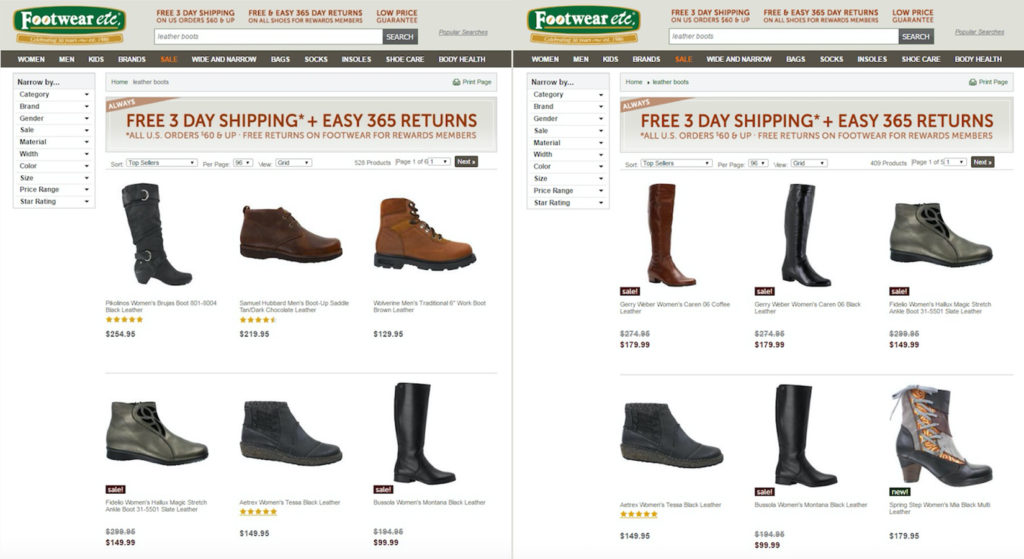
- MAKE IT PERSONAL. Provide results that match the shopper’s needs in real time – for both first-time visitors and loyal customers. Find a tool that continuously learns from user behavior and accurately predicts which products to present shoppers.
This last tip is crucial to reduce friction for mobile shoppers. Personalized results streamline product findability, which is increasingly important as shoppers’ patience declines.
With just a couple weeks until the biggest shopping weekend of the year, it’s time to give your e-commerce site the gift of smart mobile search. From November through December 2015, mobile sales increased 59% (ComScore). For holiday 2016, make sure you’re speaking the right language to your growing share of mobile shoppers.
For more tips, check out our guide to Site Search and the Mobile Experience, or find out more about how SLI ESP™ adds contextual personalization to site search and navigation.





 Every year it seems like just as we start settling into the summer haze, holiday planning kicks into high gear! Since 31.5% of the $343 billion transacted online occurred in the fourth quarter last year (U.S Commerce Dept), smart retailers can’t afford to nap (for too long) in that beach chair. If those numbers don’t get you on your feet, take this in. During the 2015 holiday season:

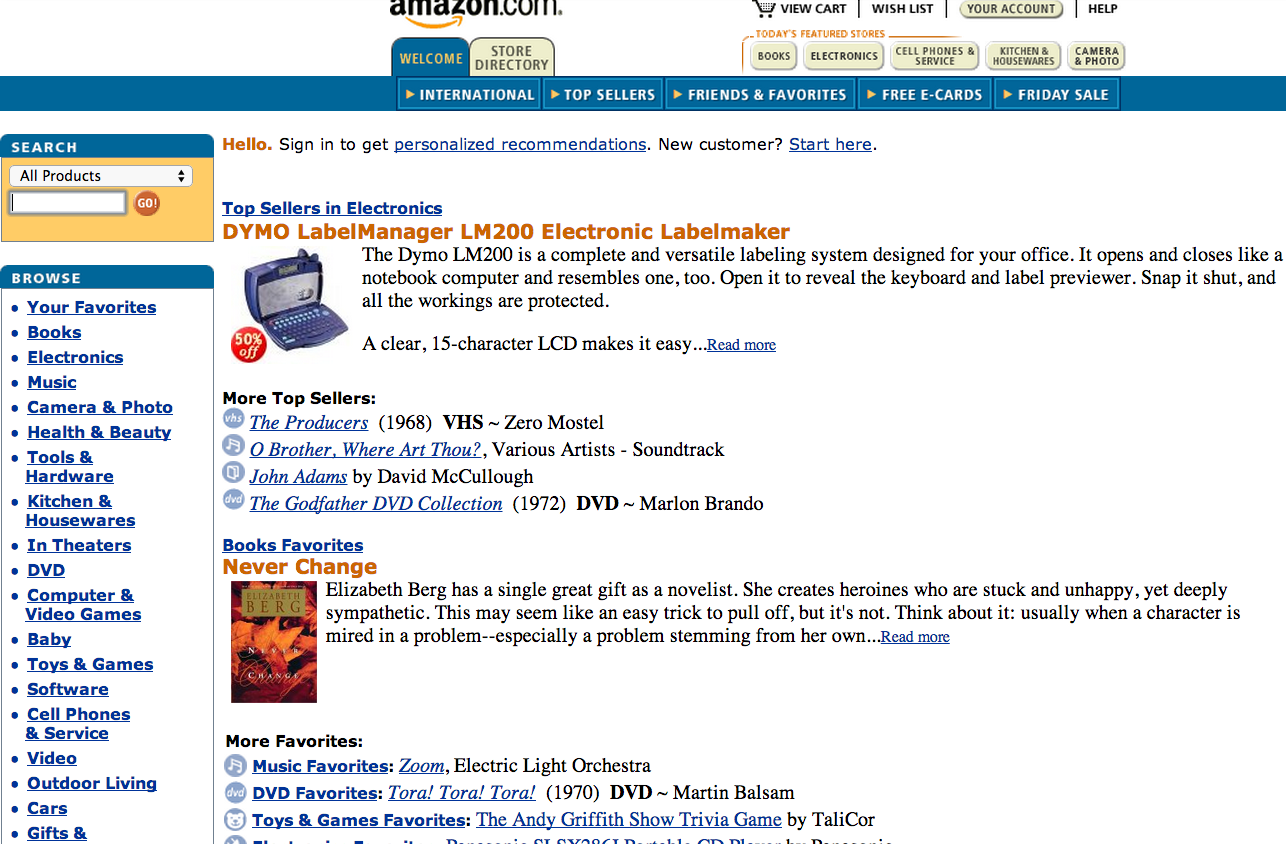
 I have a confession. For more than a decade, SLI has been far too modest about our e-commerce innovations. Perhaps our engineering team has garnered so many patents that they haven’t stopped to reflect. It hit me when we learned of the latest SLI patent related to our auto complete algorithm. We began applying for site search technology patents back when Amazon’s home page was about as intuitive as a
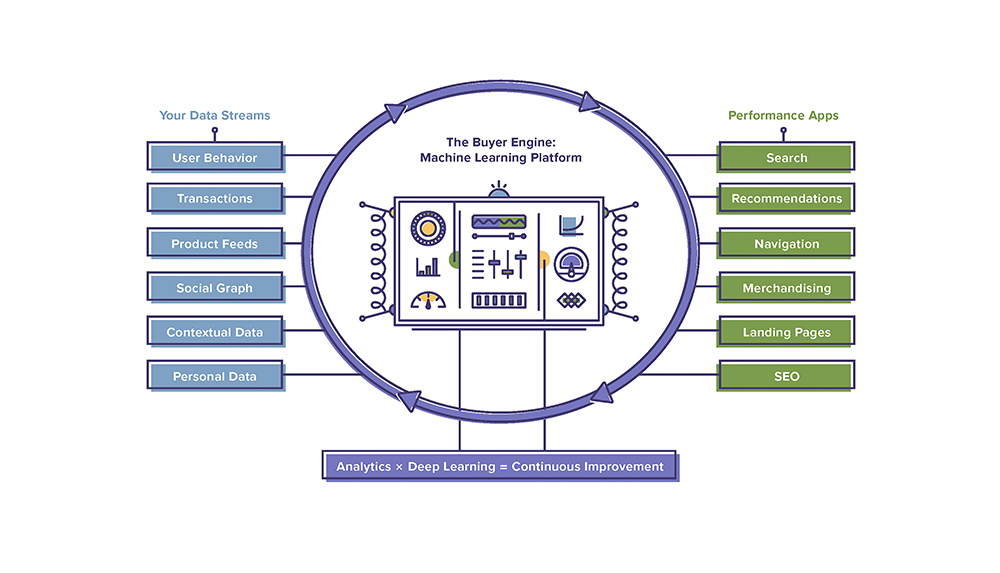
 Our Buyer Engine continuously learns to improve the performance of all SLI apps and make their results more relevant, whether a shopper is a new user or frequent customer. It can consume in real time a vast array of data streams today, as well as those to come tomorrow.

 Those in search of the perfect foundation, the best anti-aging serum or the hottest shade of lipstick used to have to go from makeup counter to makeup counter, only to be disappointed by a limited selection of brands and information.